
Overview
The Splendour Himalaya tour package is a 3-night, 4-day journey through Gangtok, Sikkim. It includes visits to Tashi View Point, Ganesh Tok, Hanuman Tok, the Institute of Tibetology, and Banjakhri Falls. A day trip to Tsomgo Lake and Baba Mandir is also featured. The package offers hotel accommodations, breakfast, and private transfers.
Highlights
- Enjoy shopping at MG Marg, Gangtok
- Visit Institute of Tibetology
- Full day excursion to Tsomgo Lake and Baba Mandir
- Enjoy mesmerizing view of kanchenjunga from Gangtok
Itinerary
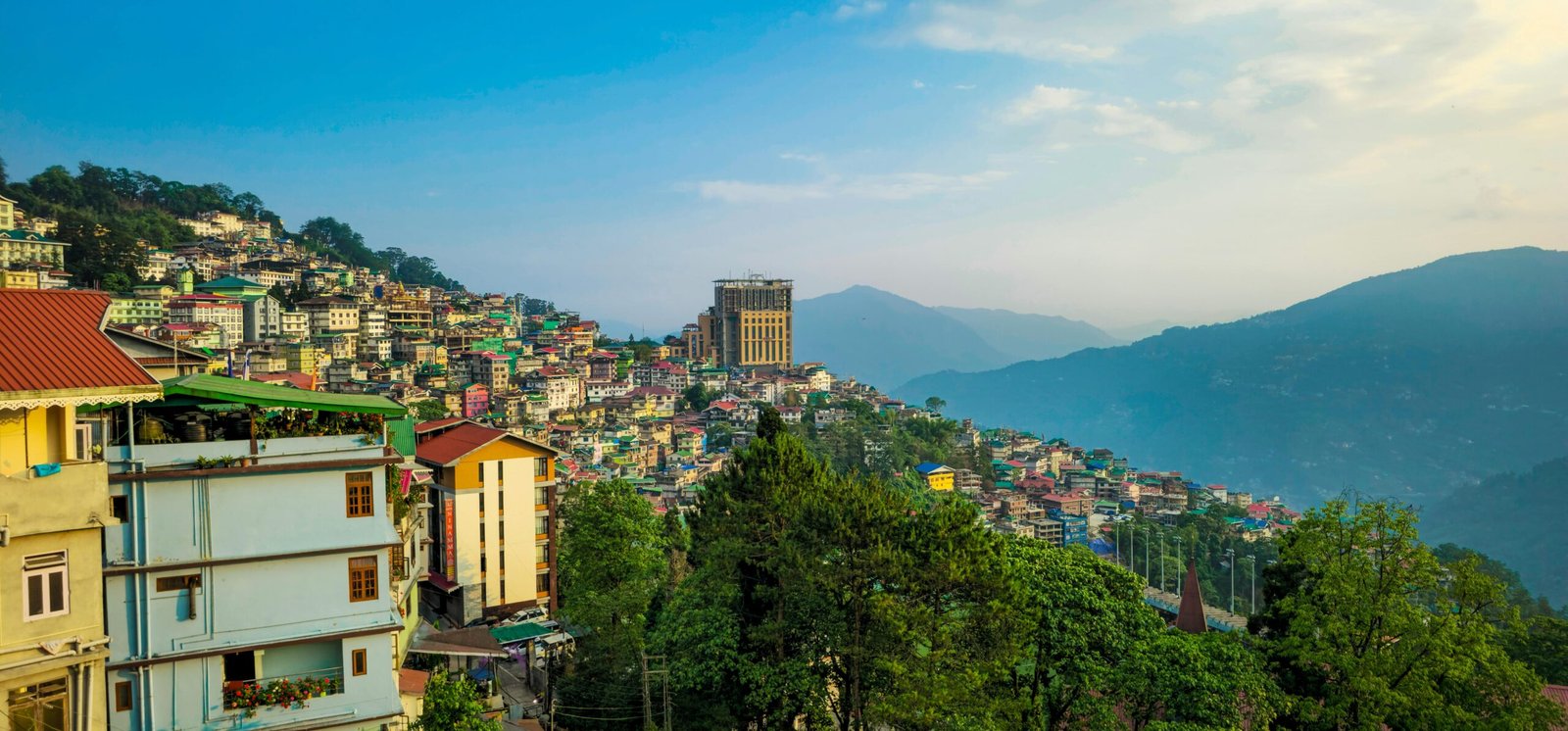
Meet and Greet on arrival at New Jalpaiguri Railway Station / Bagdogra International Airport and transfer to Gangtok (1,650 meters). On arrival, check in to the hotel and the rest of the day at leisure. Overnight stay at Gangtok.
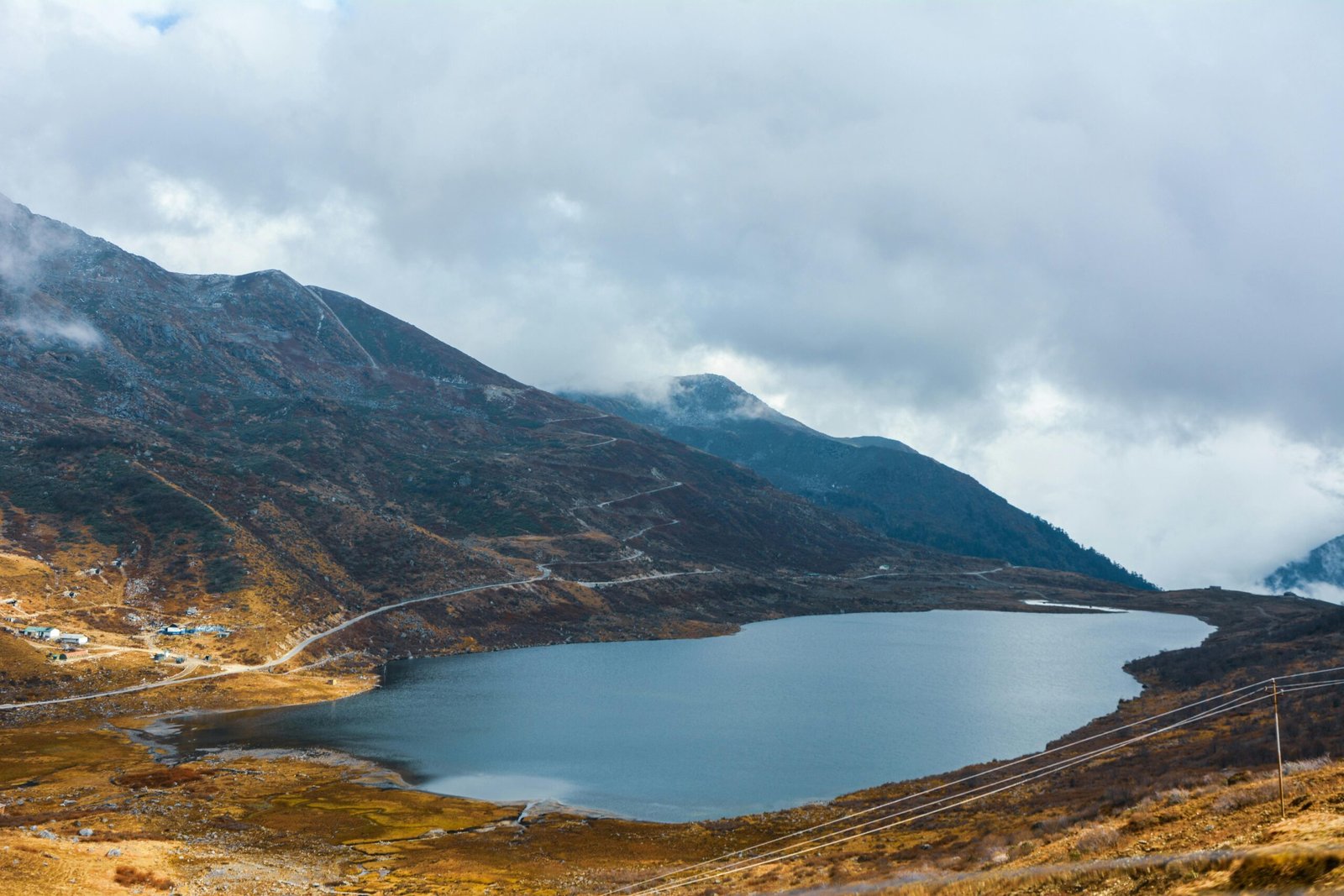
After breakfast, start for an excursion to Tsomgo Lake (12,400 ft. / 37 Kms. / 02 Hrs. from Gangtok) and further drive to Baba Mandir (13,200 ft. / 16 Kms. / 01 Hrs. from Tsomgo Lake). Evening back in Gangtok. Overnight stay at Gangtok.
Note:- Documents for Tsomgo Lake & New Baba Mandir - 02 Passport Size Photo along with a photocopy of Photo ID Proof (Passport, Driving License, or Voter ID (Pan Card & Adhaar Card are not accepted)). For Children below 18 years, Birth Certificate / School Id / College Id are must. The original needs to be carried while travelling. In case of a landslide or any other reason, if Tsomgo Lake is closed, we will provide alternate sightseeing.
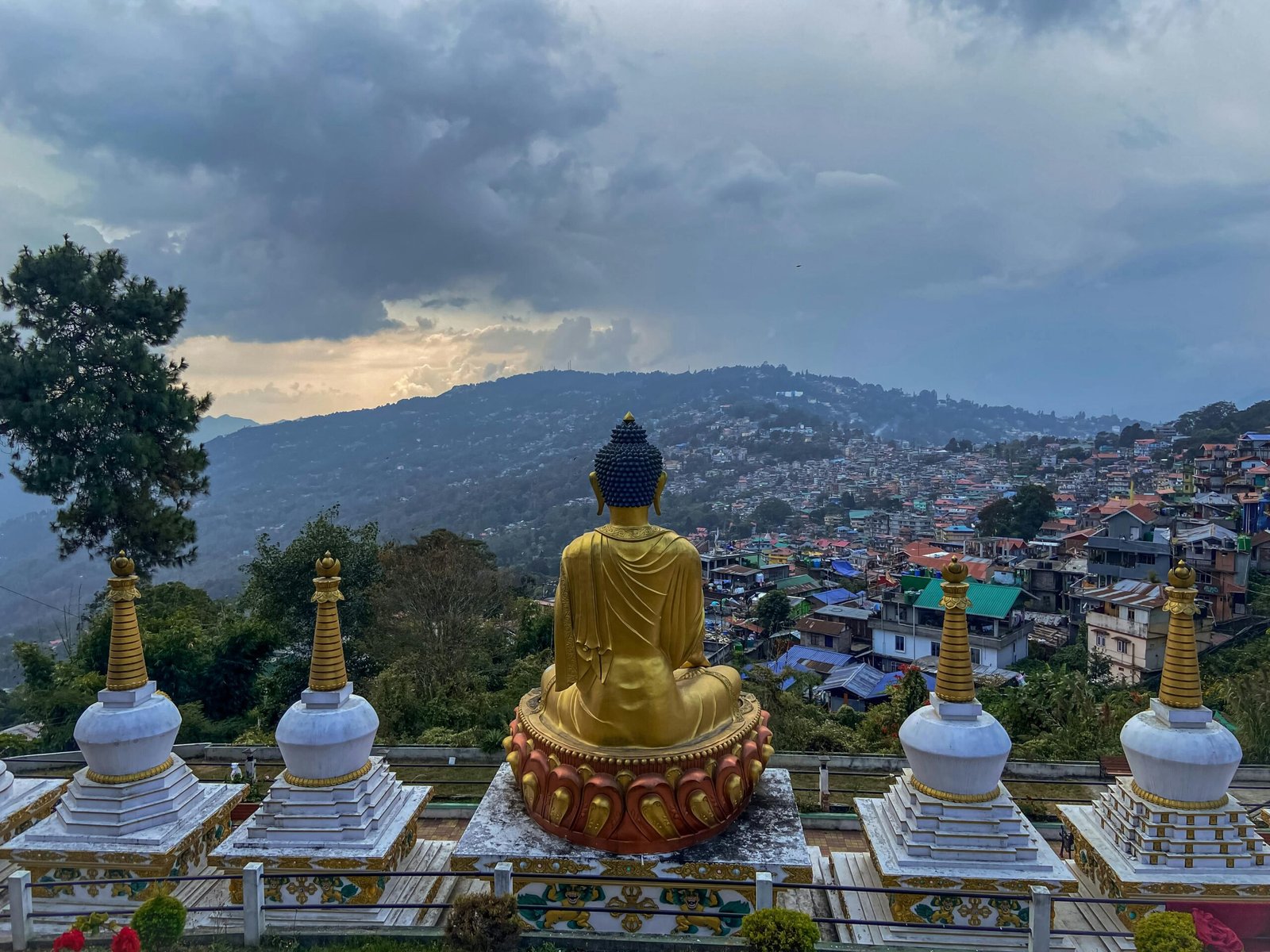
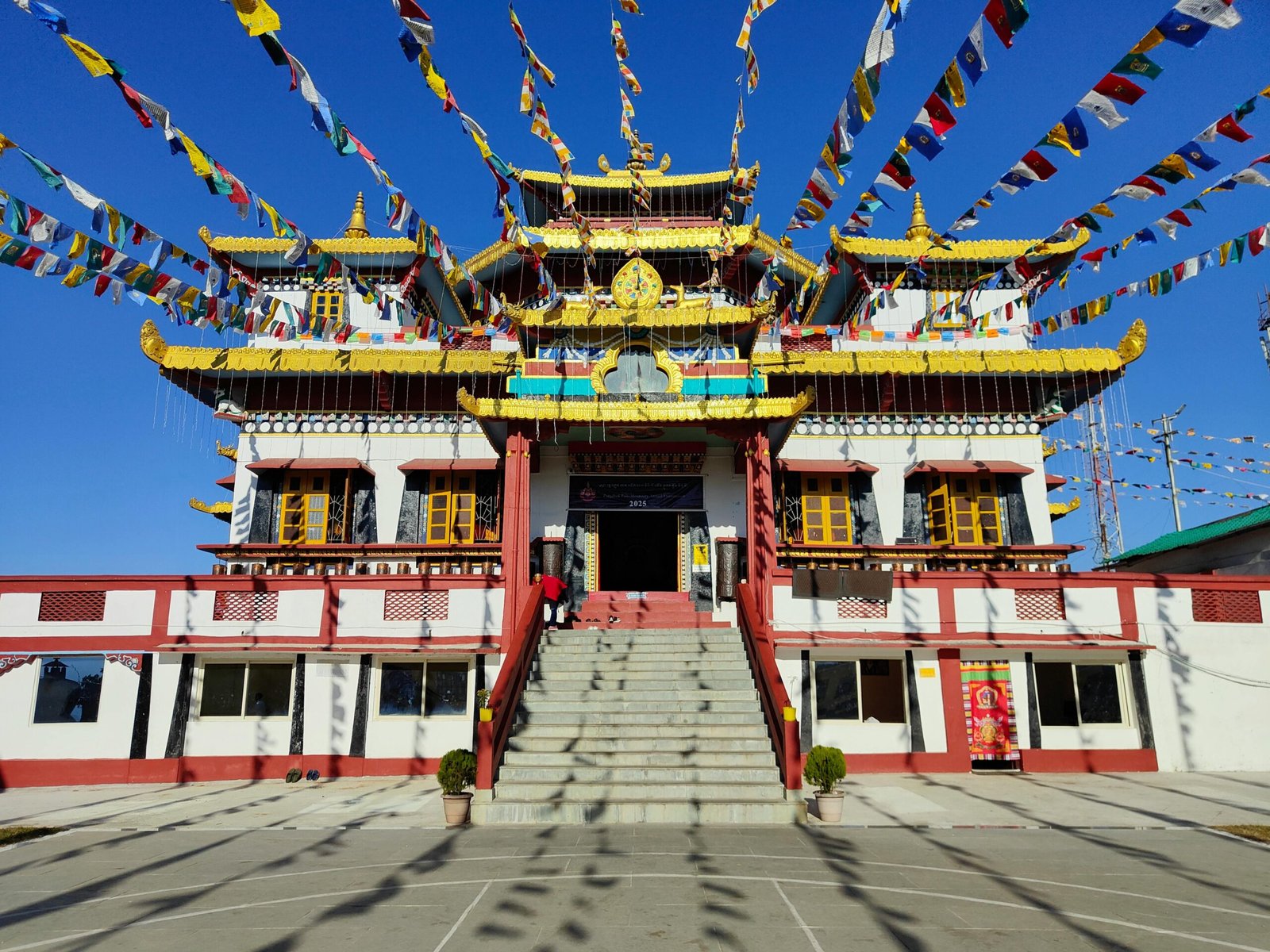
Start for a full-day city tour covering Tashi view point, Ganesh Tok, Hanuman Tok, Flower show, Cottage Industry and Handicraft Centre (Closed on Sunday and 1st and 3rd Saturday of the month), Institute of Tibetology (Closed on Sunday), Dro-dul Chorten, Gonjang Monastery, and Banjakhri Falls (maximum 6 hours). Overnight stay at Gangtok.
After breakfast, check out from the hotel and take the departure transfers to New Jalpaiguri Railway Station / Bagdogra International Airport for your onward journey.
Frequently Asked Questions (FAQs)
The best time depends on the destination and activities. Summer months are ideal for sightseeing and trekking, while winter is perfect for snow experiences, skiing, and enjoying scenic mountain landscapes.
Yes, many mountain destinations offer family-friendly accommodations and gentle sightseeing options. However, travelers should consider altitude, weather conditions, and health requirements before planning the trip.
It is important to stay hydrated, avoid heavy physical activity on the first day, and allow time for acclimatization. Travelers with medical conditions should consult a doctor before visiting high-altitude regions. We recommend packing warm layered clothing, comfortable walking shoes, a jacket, gloves, sunscreen, sunglasses, and personal medications. The weather in mountain regions can change quickly.
Mobile network coverage is generally available in towns and popular tourist destinations. However, signal strength may be weak or unavailable in remote valleys, trekking routes, or high-altitude regions. Many hotels and resorts offer Wi-Fi services, but internet speed and reliability may vary depending on the location and weather conditions.
Basic medical facilities and pharmacies are available in most towns. However, advanced medical services may be limited in remote areas. For serious medical emergencies, patients may need to be transported to larger hospitals in nearby cities. Travelers are strongly advised to carry their regular medications, a basic first-aid kit, and any necessary prescriptions, especially when traveling to remote or high-altitude regions.
ATM facilities are usually available in major towns and cities; however, they may be limited or unavailable in remote mountain areas. We recommend carrying sufficient cash for personal expenses during your trip. Credit and debit cards are accepted in hotels, restaurants, and shops in larger towns. In smaller villages or remote locations, cash payments are often preferred.
Emergency services such as local police, medical assistance, and rescue teams are available in most regions. Travelers should keep emergency contact numbers and inform guides or hotel staff immediately in case of any emergency.
Yes, travel insurance is strongly recommended for mountain trips to cover medical emergencies, trip cancellations, and unexpected travel disruptions.
Yes, some regions may require special permits, especially border or protected areas. Our team will assist in arranging necessary permits as part of your travel arrangements.


