
Overview
A beautifully curated cross-border journey through Georgia and Armenia, combining alpine landscapes, ancient monasteries, UNESCO heritage sites, and wine culture. Starting in Tbilisi and ending in Yerevan (or vice versa), this itinerary offers a seamless exploration of the Caucasus region’s most iconic destinations, including Kazbegi, Kakheti, Dilijan, Lake Sevan, and Garni–Geghard.
Highlights
- Tbilisi Old Town & cable car views
- Kazbegi & Gergeti Trinity Church (Caucasus peaks)
- Kakheti wine region & Sighnaghi “City of Love”
- Border crossing between Georgia & Armenia
- Dilijan forested alpine landscapes
- Lake Sevan scenic beauty
- Garni Temple & Geghard Monastery (UNESCO sites)
Itinerary
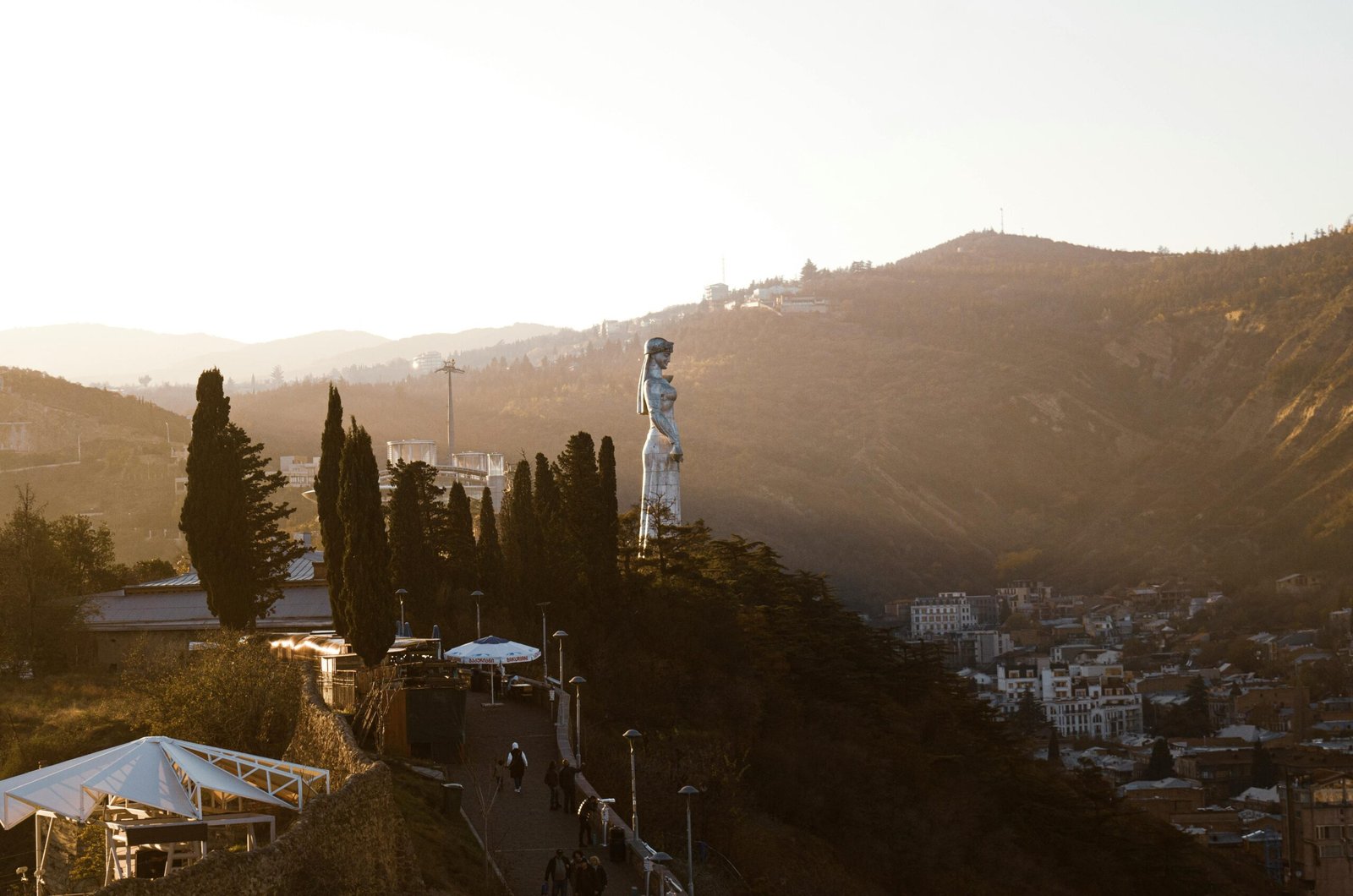
Arrive at Tbilisi International Airport and transfer to your hotel. After check-in, relax and recover from travel. Evening is free to explore Old Tbilisi, including riverside cafés, narrow cobbled streets, and illuminated bridges. Overnight stay in Tbilisi.
After breakfast, enjoy a guided city tour covering Narikala Fortress via cable car, Metekhi Church, Sulfur Baths, Peace Bridge, and Rustaveli Avenue. The day blends ancient architecture with modern city culture. Evening free for shopping or an optional Georgian cultural dinner experience.
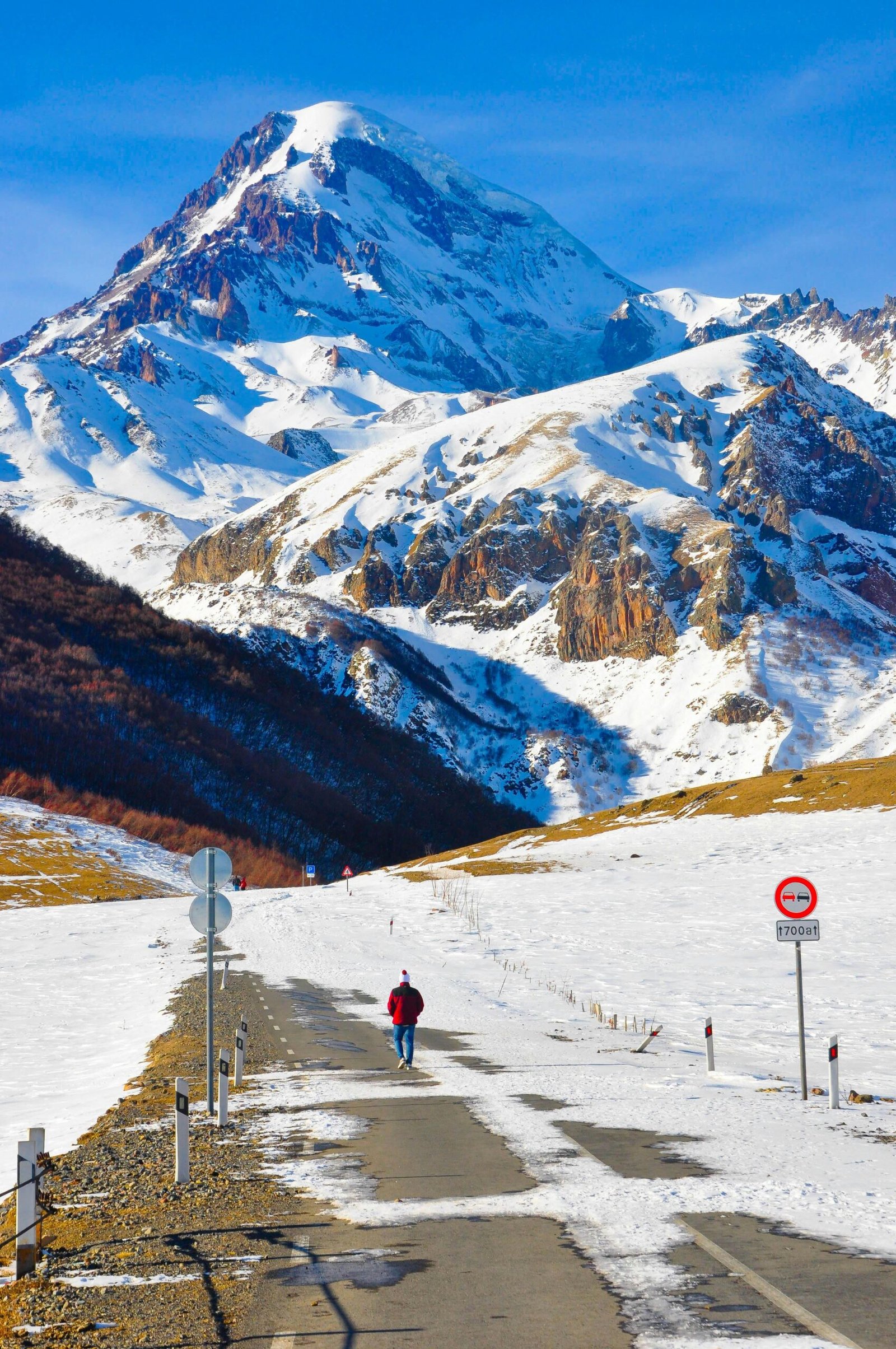
Drive through the scenic Georgian Military Highway toward Kazbegi, stopping at Jinvali Reservoir and Ananuri Fortress. Arrive in Stepantsminda and enjoy views of Mount Kazbek. Overnight stay in a mountain lodge.
Visit Gergeti Trinity Church via a 4x4 jeep ride at 2,170 m altitude. After exploration, return toward Tbilisi and continue to Kakheti. Check into a vineyard resort and enjoy a relaxed evening surrounded by wine estates.
After breakfast, explore the Kakheti wine region with vineyard visits and tasting sessions. Continue to Sighnaghi, a romantic hilltop town with panoramic valley views. Return to the hotel for an overnight stay.
After breakfast, travel back toward Tbilisi and proceed to the Sadakhlo border crossing into Armenia. Continue to Dilijan, known as “Little Switzerland of Armenia.” Arrive and check into the hotel surrounded by forests and mountains.
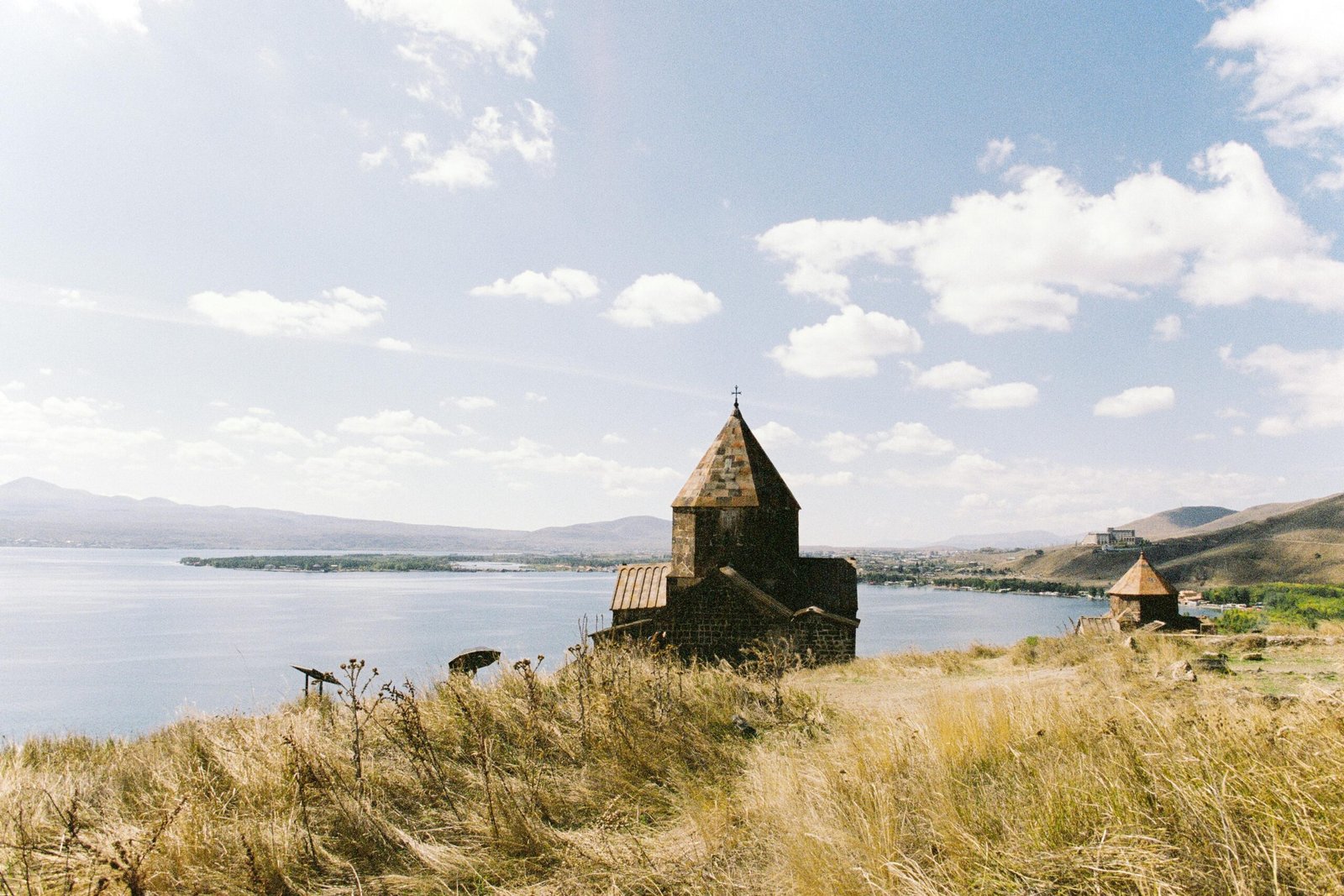
After breakfast, visit Lake Sevan, one of the largest high-altitude lakes in the world. Continue to Sevanavank Monastery. Later, proceed to Yerevan, Armenia’s capital city, and check into a hotel. Evening is free for leisure.
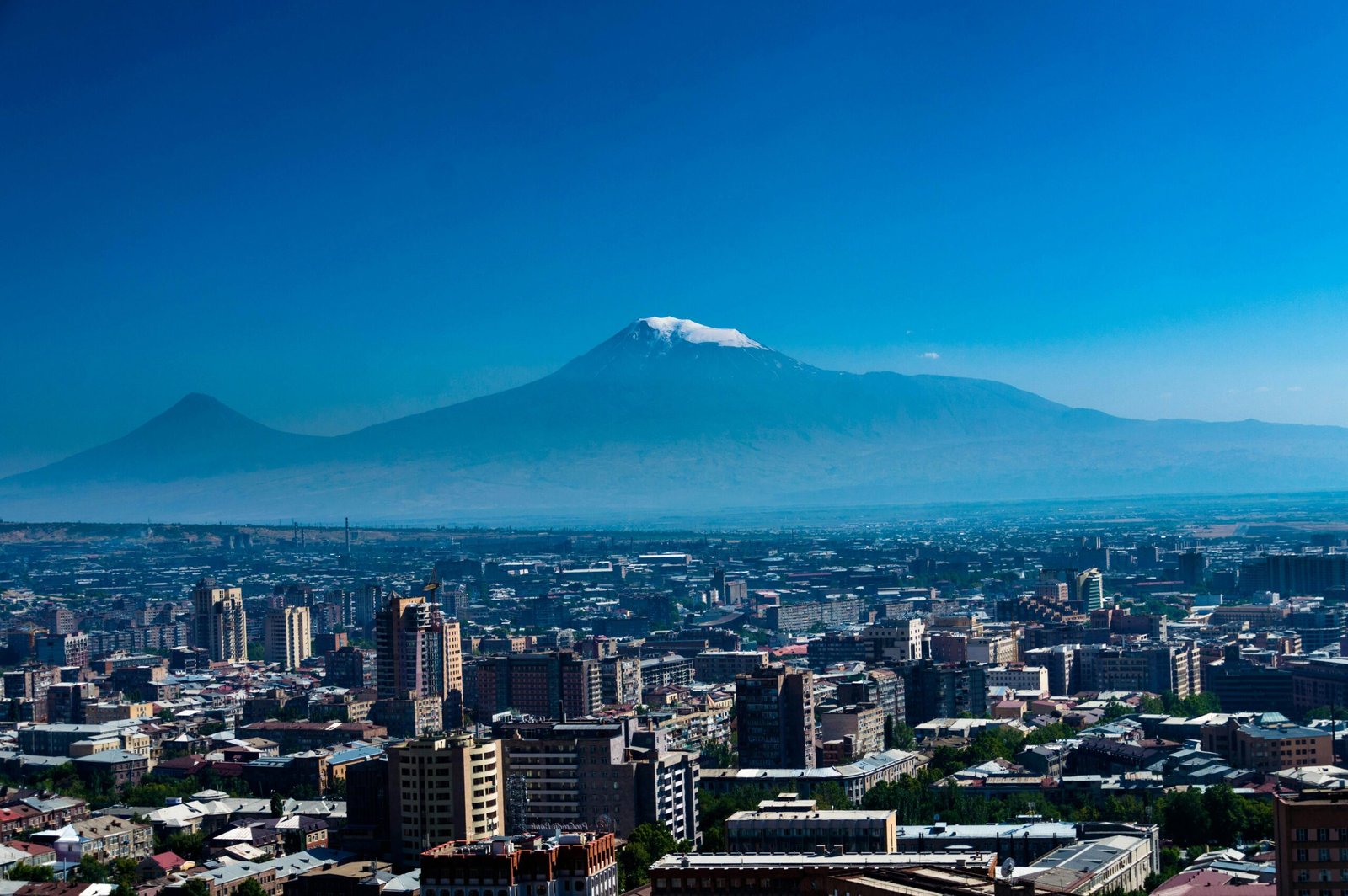
After breakfast, explore Yerevan city, including Republic Square, Cascade Complex, and local markets. Continue excursion to Garni Temple and Geghard Monastery (UNESCO site). Return to Yerevan for an overnight stay.
After breakfast, transfer to Yerevan International Airport for departure. Tour ends with unforgettable memories of Georgia and Armenia.
Frequently Asked Questions (FAQs)
The best time depends on the destination and activities. Summer months are ideal for sightseeing and trekking, while winter is perfect for snow experiences, skiing, and enjoying scenic mountain landscapes.
Yes, many mountain destinations offer family-friendly accommodations and gentle sightseeing options. However, travelers should consider altitude, weather conditions, and health requirements before planning the trip.
It is important to stay hydrated, avoid heavy physical activity on the first day, and allow time for acclimatization. Travelers with medical conditions should consult a doctor before visiting high-altitude regions. We recommend packing warm layered clothing, comfortable walking shoes, a jacket, gloves, sunscreen, sunglasses, and personal medications. The weather in mountain regions can change quickly.
Mobile network coverage is generally available in towns and popular tourist destinations. However, signal strength may be weak or unavailable in remote valleys, trekking routes, or high-altitude regions. Many hotels and resorts offer Wi-Fi services, but internet speed and reliability may vary depending on the location and weather conditions.
Basic medical facilities and pharmacies are available in most towns. However, advanced medical services may be limited in remote areas. For serious medical emergencies, patients may need to be transported to larger hospitals in nearby cities. Travelers are strongly advised to carry their regular medications, a basic first-aid kit, and any necessary prescriptions, especially when traveling to remote or high-altitude regions.
ATM facilities are usually available in major towns and cities; however, they may be limited or unavailable in remote mountain areas. We recommend carrying sufficient cash for personal expenses during your trip. Credit and debit cards are accepted in hotels, restaurants, and shops in larger towns. In smaller villages or remote locations, cash payments are often preferred.
Emergency services such as local police, medical assistance, and rescue teams are available in most regions. Travelers should keep emergency contact numbers and inform guides or hotel staff immediately in case of any emergency.
Yes, travel insurance is strongly recommended for mountain trips to cover medical emergencies, trip cancellations, and unexpected travel disruptions.
Yes, some regions may require special permits, especially border or protected areas. Our team will assist in arranging necessary permits as part of your travel arrangements.


