
Overview
This 6-day journey through Bhutan offers a perfect introduction to the country’s culture, scenic beauty, and spiritual heritage. Starting from Phuentsholing, the gateway town on the India–Bhutan border, the tour continues to the capital city Thimphu, known for its monasteries, markets, and cultural landmarks. The trip concludes in the picturesque valley of Paro, home to iconic monasteries and stunning mountain landscapes.
Travelers will experience traditional Bhutanese culture, peaceful monasteries, scenic drives through Himalayan valleys, and visits to famous attractions such as Tiger’s Nest Monastery. This itinerary is ideal for leisure travelers, families, and honeymooners seeking a blend of culture, spirituality, and natural beauty in a short and comfortable holiday.
Highlights
- VIsit Thimphu city centre to experiance the local culture and shopping
- Enjoy mesmerizing view of the Thimphu valley
- Visit the oldest buddhist temples in Bhutan built in 659 AD
- Explore traditional Bhutanese food Like Ema Datshi, Kewa Datshi, Jasha Maru, Momos & Suja
Itinerary
Meet & Greet on arrival at NJP Railway Station / IXB Airport and transfer to Phuentsholing (961 ft.) - The Gateway of Bhutan by Road from India. It is a thriving commercial centre on the northern edge of the Indian Plains. On arrival, check in at the hotel. In the evening, you may choose to relax at the hotel or walk around Phuentsholing town. Overnight stay at Phuentsholing.
After breakfast, complete the immigration formalities and transfer to Thimphu (7,710 ft.), the capital city of Bhutan. On the way, stop at places to view scenery and for Photography. On arrival, check in at the hotel. Rest of the day at leisure. Overnight stay in Thimphu.
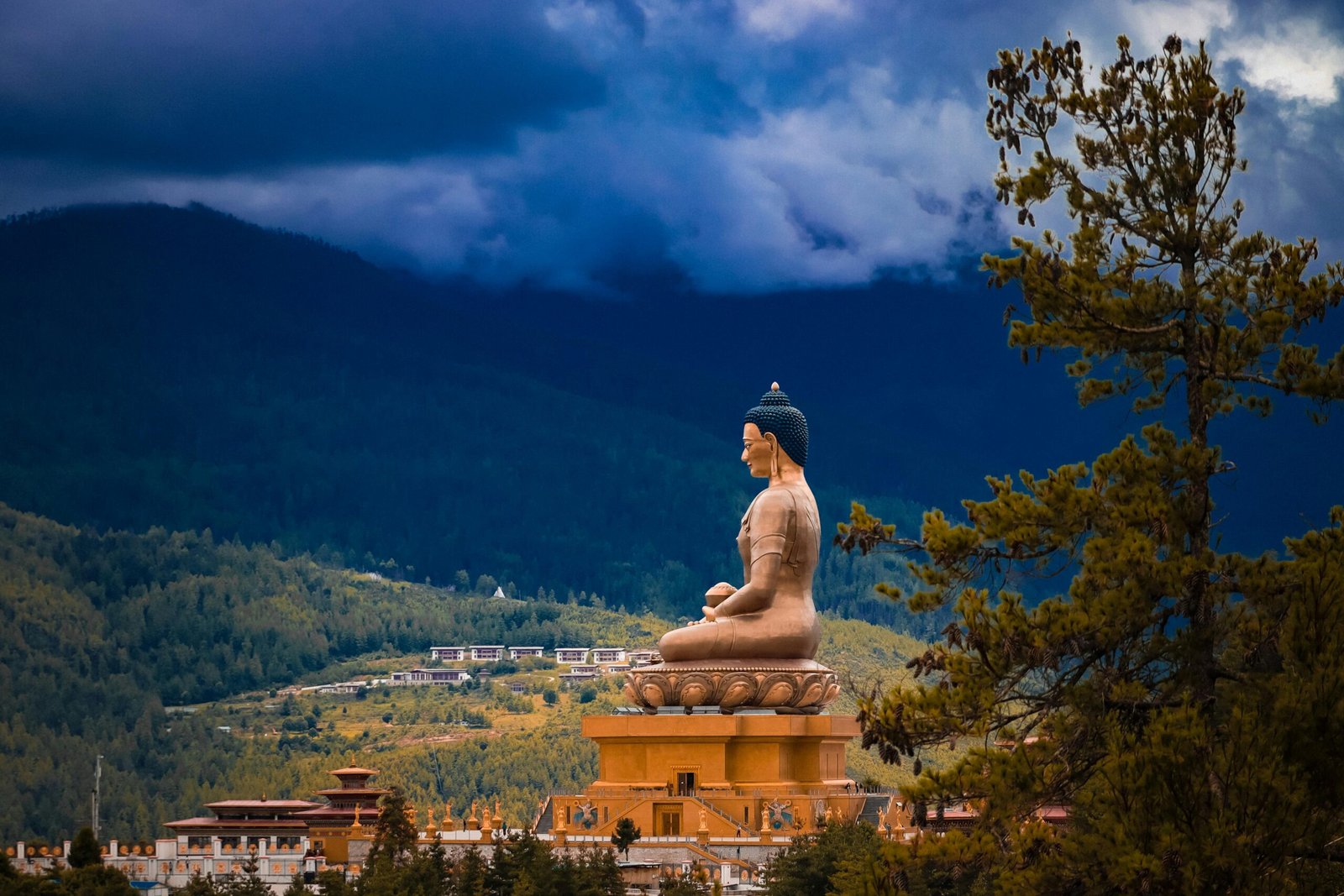
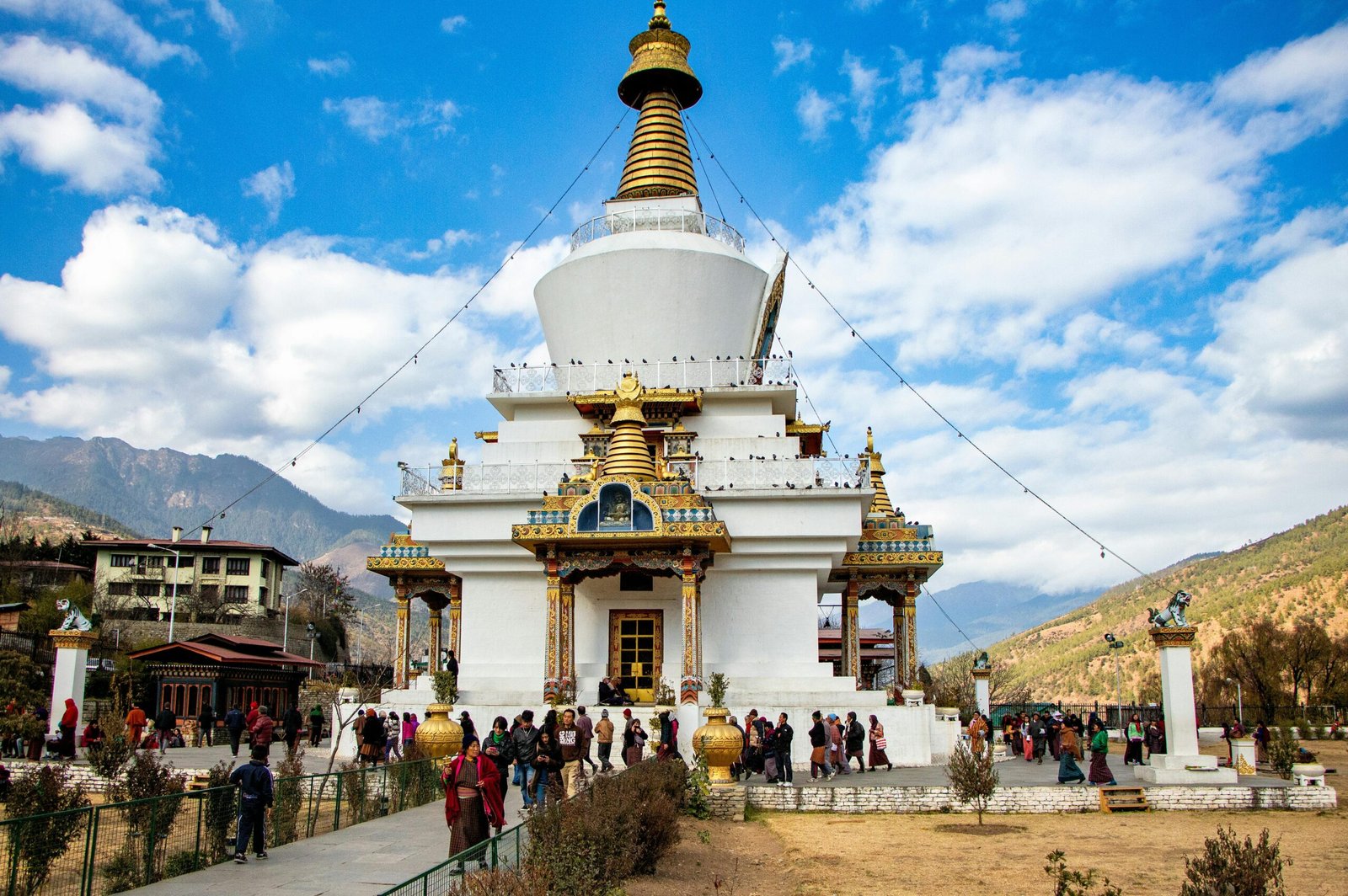
After breakfast, visit the Kuenselphodrang (Buddha Dordenma). Kuenselphodrang offers a good overview of the Thimphu valley. The largest statue of Buddha in the country sits here, which houses over one hundred thousand smaller Buddha statues. Then visit the National Memorial Chorten built in memory of the Third King of Bhutan, and visit the Folk Heritage Museum. Afternoon transfer to Paro (7,480 ft.). On the way, visit the Tamchog Lhakhang. It was built in the 13th century by Thangthong Gyalpo, who is also known as the Iron Bridge builder. Situated on a hilltop. On arrival, check in at the hotel. In the evening, stroll around the local market shopping for souvenirs. Overnight stay at Paro.
After breakfast, start a full day sightseeing covering Ta Dzong - Originally built as a watchtower, it is now the National Museum of Bhutan, Rinpung Dzong - consecrated in 1645 by Zhabdrung Ngawang Namgyal on the site of a smaller fort. Afternoon, visit the Drukgyel Dzong – Built in 1647 to commemorate the victory over an invasion from Tibet. It was preserved in ruins as a heritage site. On a clear day, experience a beautiful view of Mt. Jhomolhari (24035 ft.) from here. Then visit the Kichu Lhakhang, one of the oldest Buddhist temples in Bhutan, built in 659 AD by the Tibetan King Songtsen Gampo. In the evening, explore Paro Town. Overnight stay at Paro.
After breakfast, check out of the hotel and transfer to Phuentsholing. On arrival, check in at the hotel. In the evening, you may choose to relax at the hotel or walk around Phuentsholing town. Overnight stay at Phuentsholing.
After breakfast, check out from the hotel and drive to NJP Railway Station / IXB Airport for your onward journey.
Frequently Asked Questions (FAQs)
The best time depends on the destination and activities. Summer months are ideal for sightseeing and trekking, while winter is perfect for snow experiences, skiing, and enjoying scenic mountain landscapes.
Yes, many mountain destinations offer family-friendly accommodations and gentle sightseeing options. However, travelers should consider altitude, weather conditions, and health requirements before planning the trip.
It is important to stay hydrated, avoid heavy physical activity on the first day, and allow time for acclimatization. Travelers with medical conditions should consult a doctor before visiting high-altitude regions. We recommend packing warm layered clothing, comfortable walking shoes, a jacket, gloves, sunscreen, sunglasses, and personal medications. The weather in mountain regions can change quickly.
Mobile network coverage is generally available in towns and popular tourist destinations. However, signal strength may be weak or unavailable in remote valleys, trekking routes, or high-altitude regions. Many hotels and resorts offer Wi-Fi services, but internet speed and reliability may vary depending on the location and weather conditions.
Basic medical facilities and pharmacies are available in most towns. However, advanced medical services may be limited in remote areas. For serious medical emergencies, patients may need to be transported to larger hospitals in nearby cities. Travelers are strongly advised to carry their regular medications, a basic first-aid kit, and any necessary prescriptions, especially when traveling to remote or high-altitude regions.
ATM facilities are usually available in major towns and cities; however, they may be limited or unavailable in remote mountain areas. We recommend carrying sufficient cash for personal expenses during your trip. Credit and debit cards are accepted in hotels, restaurants, and shops in larger towns. In smaller villages or remote locations, cash payments are often preferred.
Emergency services such as local police, medical assistance, and rescue teams are available in most regions. Travelers should keep emergency contact numbers and inform guides or hotel staff immediately in case of any emergency.
Yes, travel insurance is strongly recommended for mountain trips to cover medical emergencies, trip cancellations, and unexpected travel disruptions.
Yes, some regions may require special permits, especially border or protected areas. Our team will assist in arranging necessary permits as part of your travel arrangements.


