Overview
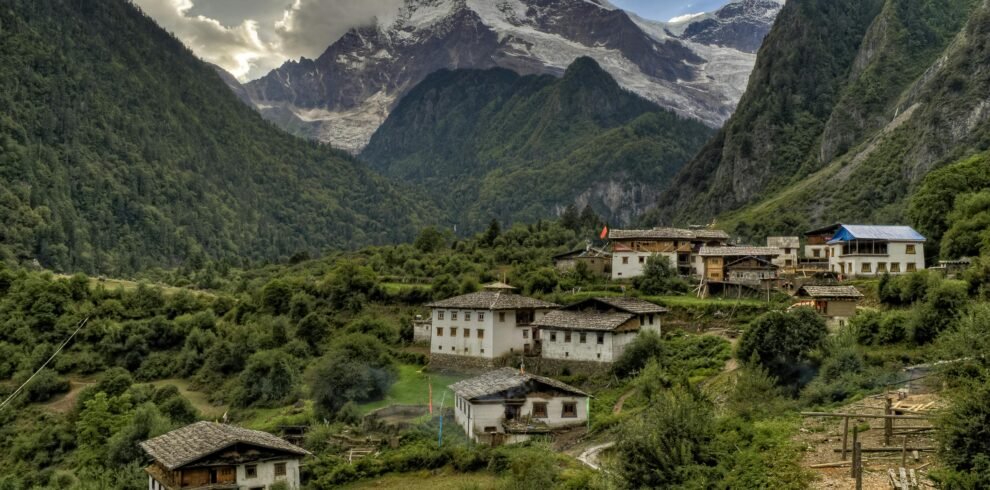
Enchanting Bhutan, the Land of the Thunder Dragon, offers breathtaking landscapes, vibrant monasteries, and rich cultural heritage. Nestled in the Himalayas, Bhutan promises a serene escape with its majestic mountains, traditional villages, and warm hospitality. Experience spiritual tranquility, sustainable tourism, and the untouched beauty of this mystical kingdom.
Highlights
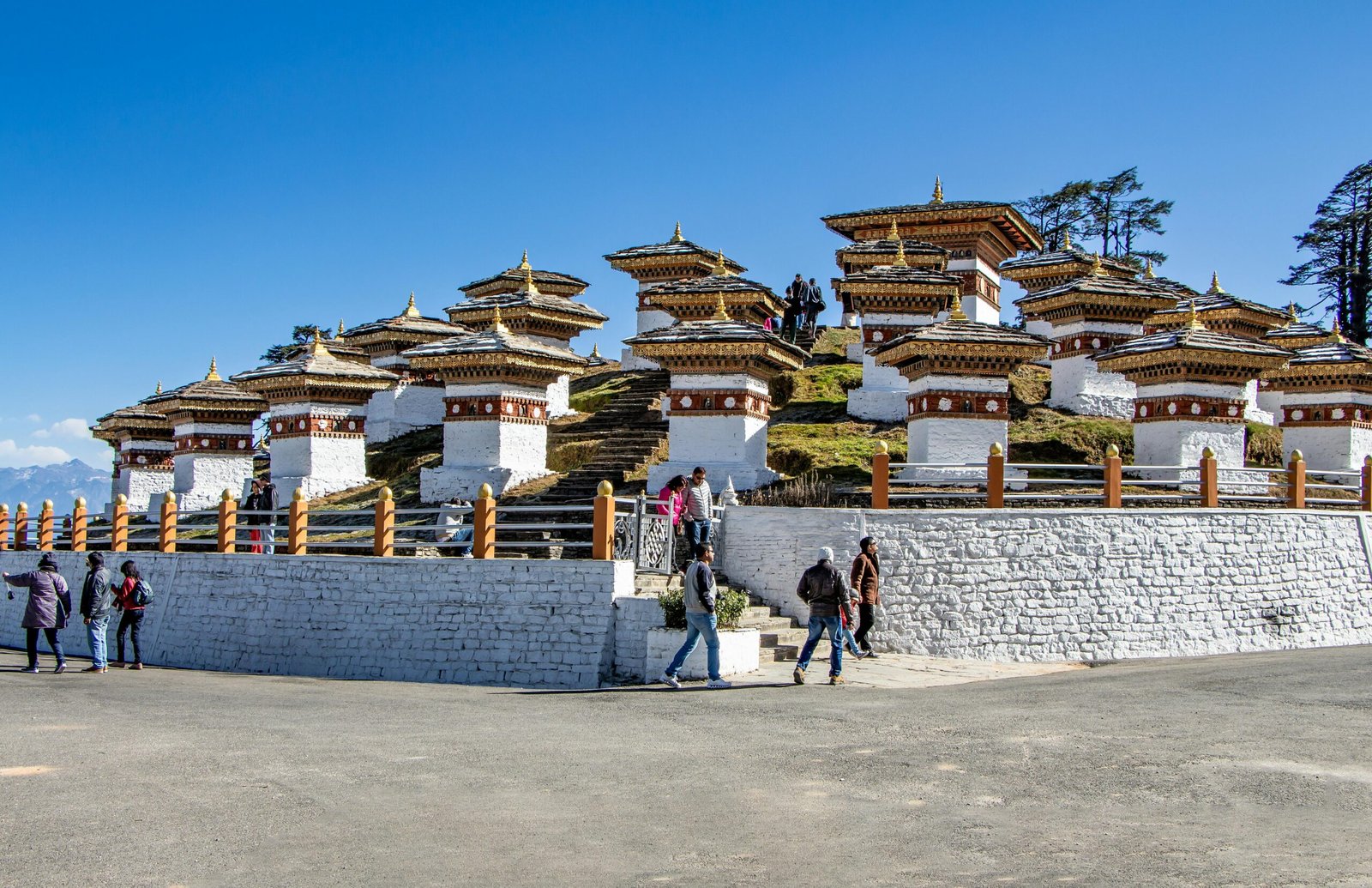
- VIsit Dochu-La-Pass (10334 ft.) to view the higher Himalayas.
- Enjoy mesmerizing view of the Thimphu valley
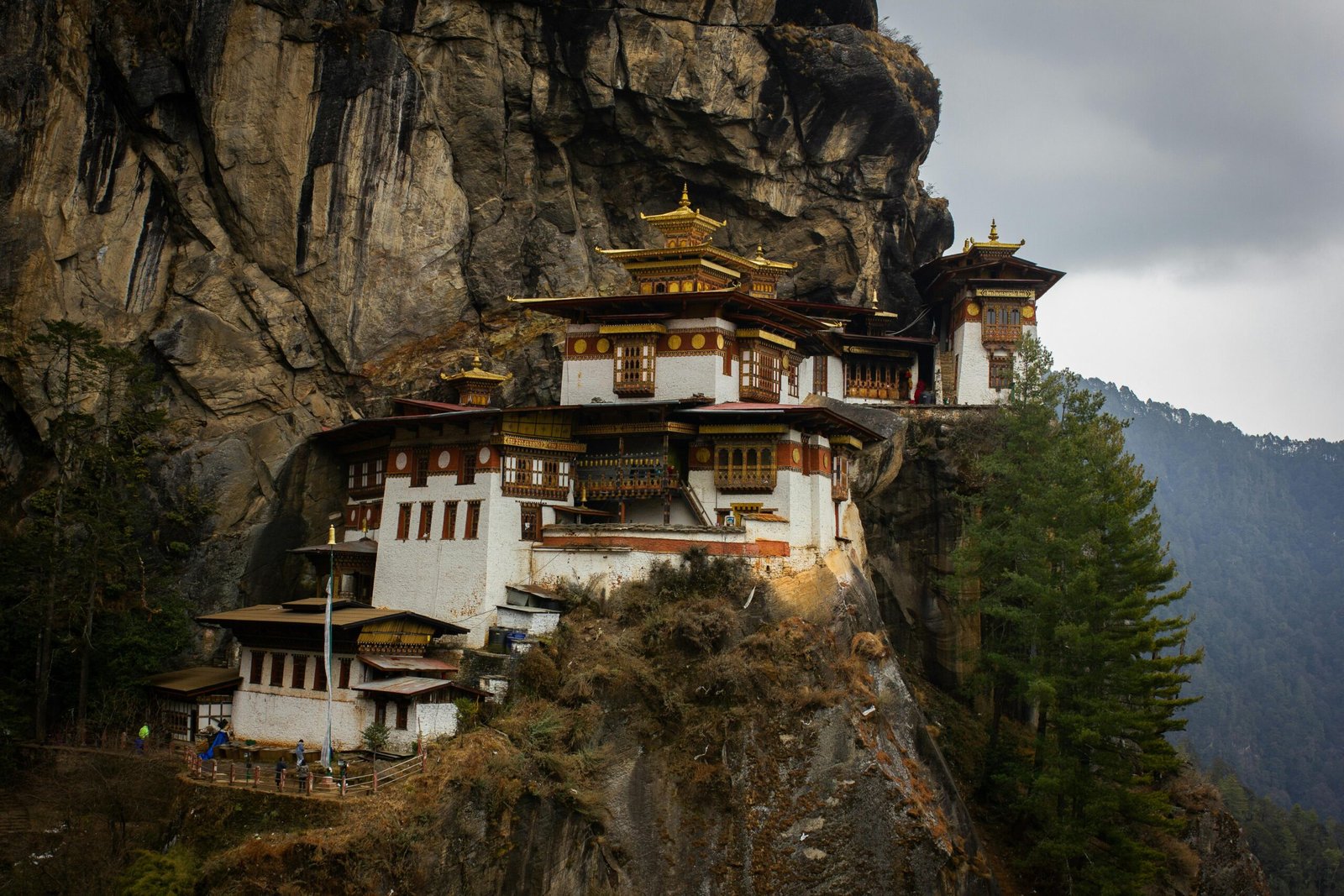
- Trek to the abode of gods and monks, the Taktshang Monastery (Tiger’s nest)
- Explore traditional Bhutanese food Like Ema Datshi, Kewa Datshi, Jasha Maru, Momos & Suja
Itinerary
Meet & Greet on arrival at Paro Airport and transfer to Thimphu (7,710 ft.), the capital city of Bhutan. On arrival, check in at the hotel. In the evening, you may choose to relax at the hotel or take a leisurely walk around Thimphu City. Overnight stay in Thimphu.
After breakfast, visit the Kuenselphodrang (Buddha Dordenma). Located at a short drive from Thimphu City Centre, the largest statue of Buddha in the country sits here, which houses over one hundred thousand smaller Buddha statues. Then visit the National Memorial Chorten built in memory of the Third King of Bhutan, and visit the Folk Heritage Museum.
Afternoon visit Sangaygang View Point. The Lookout point offers a stunning panoramic view of the entire Thimphu. On the way back, visit the Takin Preserve Centre. Takin is the National animal of Bhutan. Then visit the Changangkha Lhakhang. This is a popular Buddhist temple and is especially visited by parents to receive blessings for their newborn.
In the evening, visit the Tashichho Dzong, first built in 1216 A.D. by Lama Gyalwa Lhanangpa. The Dzong is the seat of the National Government and the Central Monastic Body, including the summer residence of the Je Khenpo (Chief Abbot of Bhutan). Overnight stay in Thimphu.
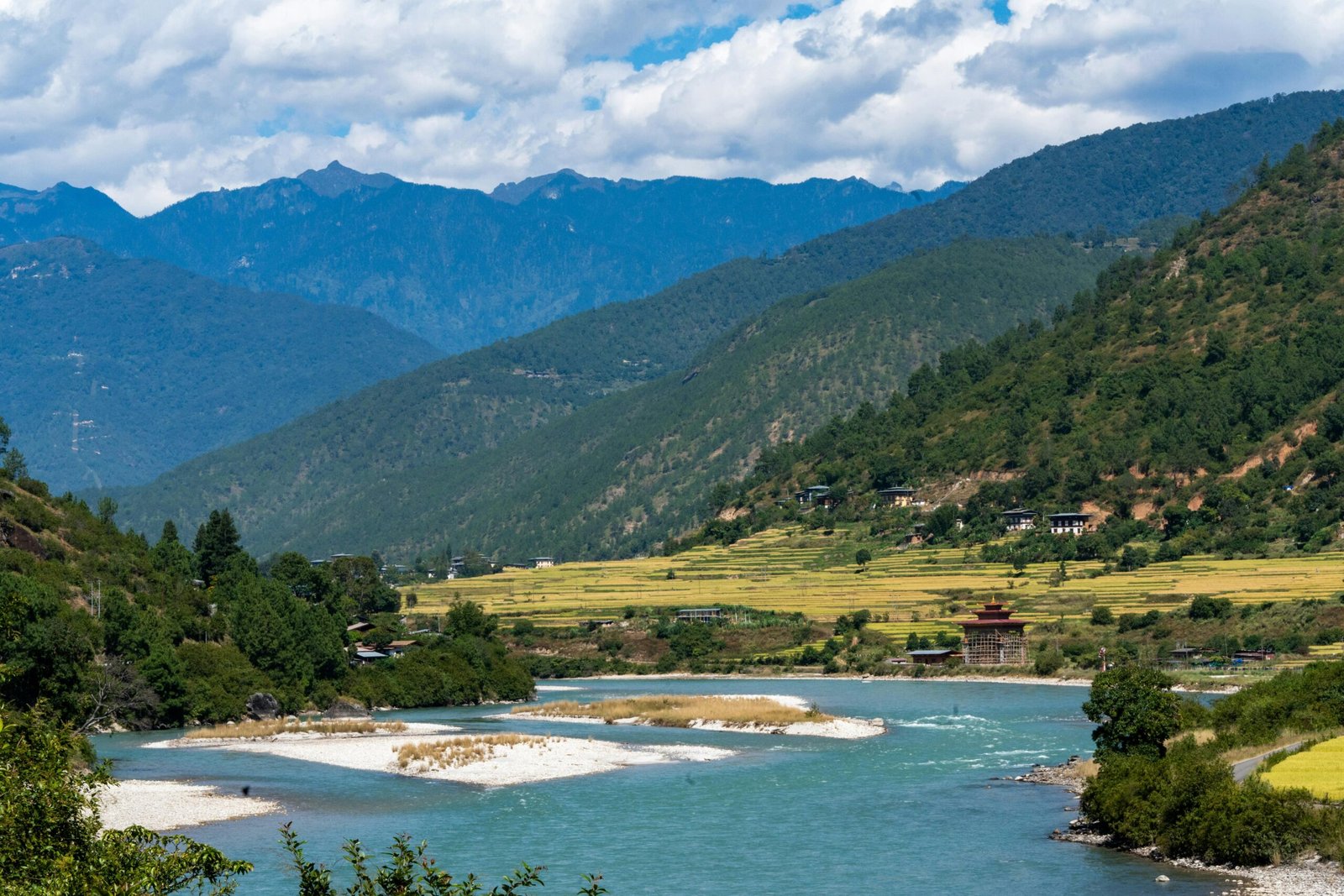
After breakfast, drive to Punakha/Wangdue (4298 ft.), on the way, stop at Dochu-La-Pass (10334 ft.) to view the higher Himalayas. The pass is the highest point between Thimphu and Punakha/Wangdue Valley. Another attraction is the 108 chorten/stupas (Druk Wangyel Chortens) built close to each other, surrounded by numerous colorful prayer flags. On arrival at Punakha, check in at the hotel. Afternoon, visit Punakha Dzong - built in 1637 by Zhabdrung Ngawang Namgyal. For many years, until the time of the second king, it served as the seat of the Government. Punakha is still the winter residence of Je-Khenpo, and King Jigme Dorji Wangchuck convened the first National Assembly here in 1952. After that, take a short and easy hike to visit the Chhimi Lhakhang - The Temple, also known as “The Temple of Fertility”, was built by Lama Drukpa Kuenley, “The Divine Mad Man”.
Evening is free for leisure. Overnight stay at Punakha / Wangdue.
After breakfast, start for full day excursion trip to Gangtey Valley (9,842 ft.). On the way, you shall come across different flora and fauna, monuments, villages, and people. Stop at places for sightseeing and photography. While in Gangtey, visit the Gangtey Goemba, which was established in the 17th century. Then explore the Phobjikha valley, one of the most beautiful glacial valleys in the Himalayas and the winter roosting place for the endangered Black-necked Cranes, which migrate from the arid plains of Tibet in the north. You may choose to hike around the Valley. After visiting the valley, drive back to Punakha. Overnight stay at Punakha / Wangdue.
Alternatively, instead of going to Gangtey / Phobjikha, you also have the option of spending the day in Punakha Valley itself. After breakfast, hike to Khamsum Yuelley Namgyal Chorten, which is about 45 Mins easy hike to the top of the hill. It offers a breathtaking view of the Punakha Valley. After that, visit Punakha Suspension Bridge, which is one of the longest in Bhutan. Later visit The Sangchhen Dorji Lhuendrup Nunnery, a temple plus nunnery perched on a ridge overlooking Toebesa village, Punakha and Wangduephodrang valleys. The rest of the day free for leisure. Overnight stay at Punakha / Wangdue.
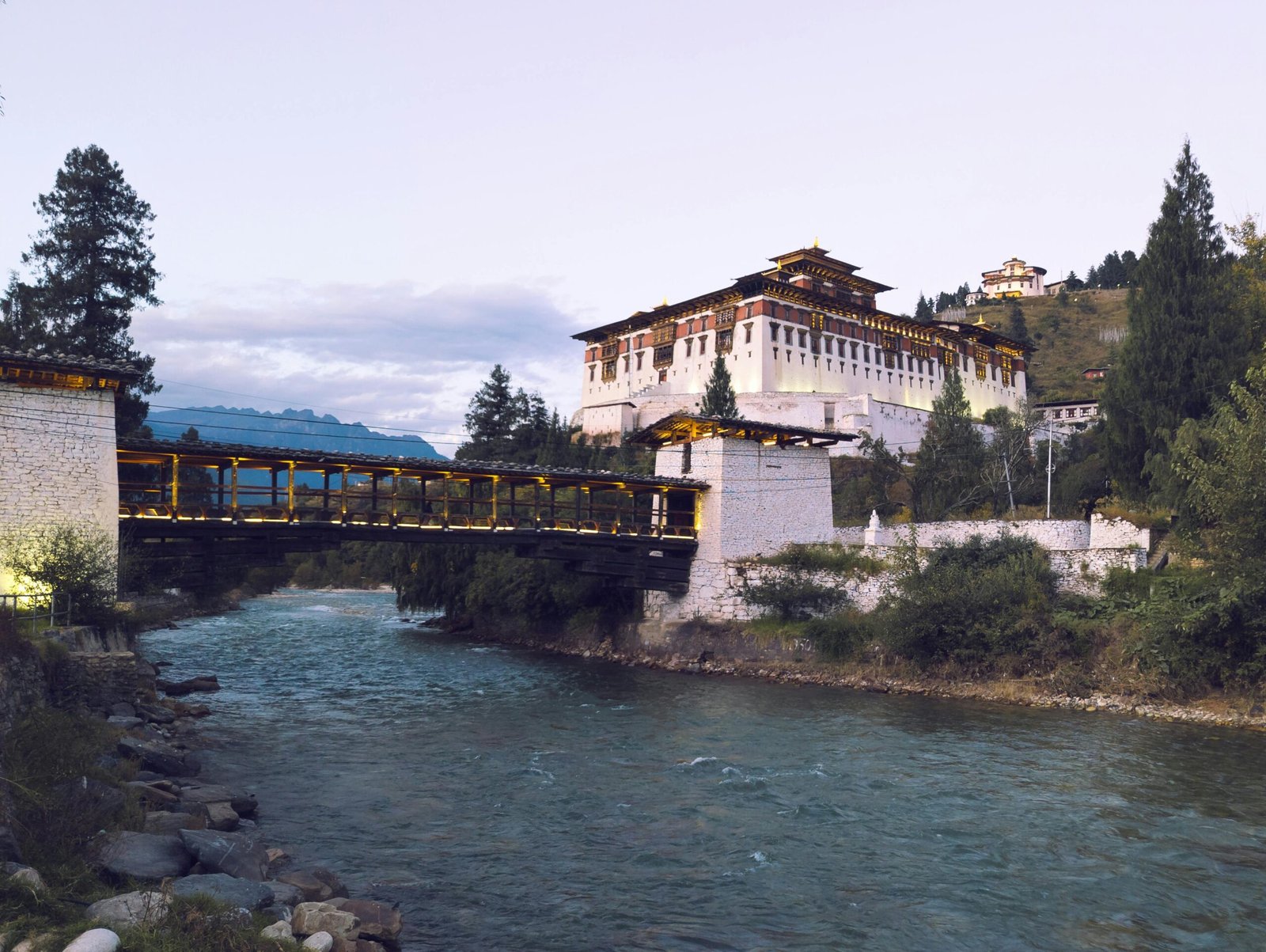
After breakfast, drive to Paro (7,483 ft.). On the way, stop at Lamperi to visit the Royal Botanical Park. This park is a treat for nature lovers as the 36 species of exotic rhododendron and approximately 220 types of charming birds will make your day unforgettable. On arrival, check in at the hotel. Afternoon visit Ta Dzong - National Museum with an excellent collection of arts, relics, religious thangkha, etc. Then visit the Rinpung Dzong - Meaning "fortress of the heap of jewels". The dzong now serves as the administrative and judicial seat of Paro. The rest of the evening at leisure. Overnight stay at Paro.
After breakfast, drive to the base of the abode of gods and monks, the Taktshang Monastery. The monastery is a 2 -3-hour hike uphill from here. One feels truly blessed reaching the monastery. The primary Lhakhang was built surrounding Guru Rinpoche’s Meditation cave in 1684, which clings to the edge of a sheer Rock cliff that plunges 900 meters into the valley below.
Afternoon (If time permits), visit the Drukgyel Dzong. Built in 1647, the dzong was destroyed by accidental fire and left in ruins as an evocative reminder of the great victories it was built to commemorate. Explore the ramparts and experience an unforgettable view of Mt. Jhomolhari (7,314 m). On the way back, visit Kichu Lhakhang, one of the oldest Buddhist temples in Bhutan. Overnight stay at Paro.
After breakfast, check out from the hotel and drive to Paro Airport for your onward journey.
Frequently Asked Questions (FAQs)
The best time depends on the destination and activities. Summer months are ideal for sightseeing and trekking, while winter is perfect for snow experiences, skiing, and enjoying scenic mountain landscapes.
Yes, many mountain destinations offer family-friendly accommodations and gentle sightseeing options. However, travelers should consider altitude, weather conditions, and health requirements before planning the trip.
It is important to stay hydrated, avoid heavy physical activity on the first day, and allow time for acclimatization. Travelers with medical conditions should consult a doctor before visiting high-altitude regions. We recommend packing warm layered clothing, comfortable walking shoes, a jacket, gloves, sunscreen, sunglasses, and personal medications. The weather in mountain regions can change quickly.
Mobile network coverage is generally available in towns and popular tourist destinations. However, signal strength may be weak or unavailable in remote valleys, trekking routes, or high-altitude regions. Many hotels and resorts offer Wi-Fi services, but internet speed and reliability may vary depending on the location and weather conditions.
Basic medical facilities and pharmacies are available in most towns. However, advanced medical services may be limited in remote areas. For serious medical emergencies, patients may need to be transported to larger hospitals in nearby cities. Travelers are strongly advised to carry their regular medications, a basic first-aid kit, and any necessary prescriptions, especially when traveling to remote or high-altitude regions.
ATM facilities are usually available in major towns and cities; however, they may be limited or unavailable in remote mountain areas. We recommend carrying sufficient cash for personal expenses during your trip. Credit and debit cards are accepted in hotels, restaurants, and shops in larger towns. In smaller villages or remote locations, cash payments are often preferred.
Emergency services such as local police, medical assistance, and rescue teams are available in most regions. Travelers should keep emergency contact numbers and inform guides or hotel staff immediately in case of any emergency.
Yes, travel insurance is strongly recommended for mountain trips to cover medical emergencies, trip cancellations, and unexpected travel disruptions.
Yes, some regions may require special permits, especially border or protected areas. Our team will assist in arranging necessary permits as part of your travel arrangements.