Overview
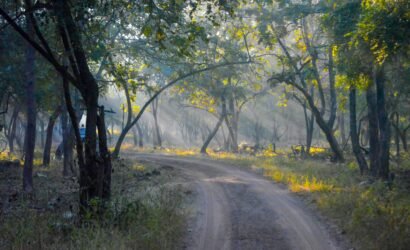
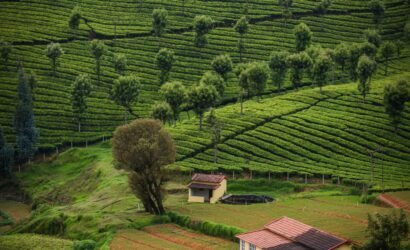
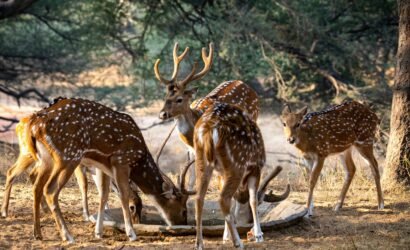
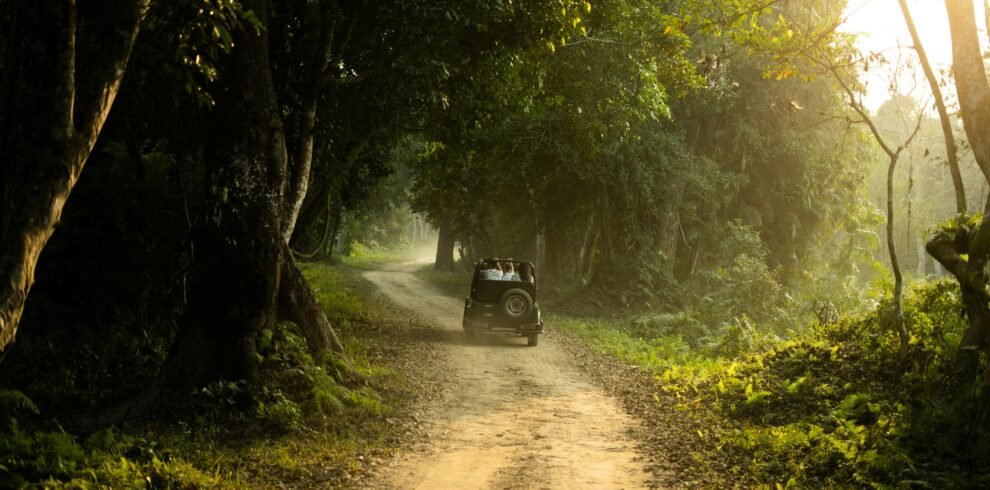
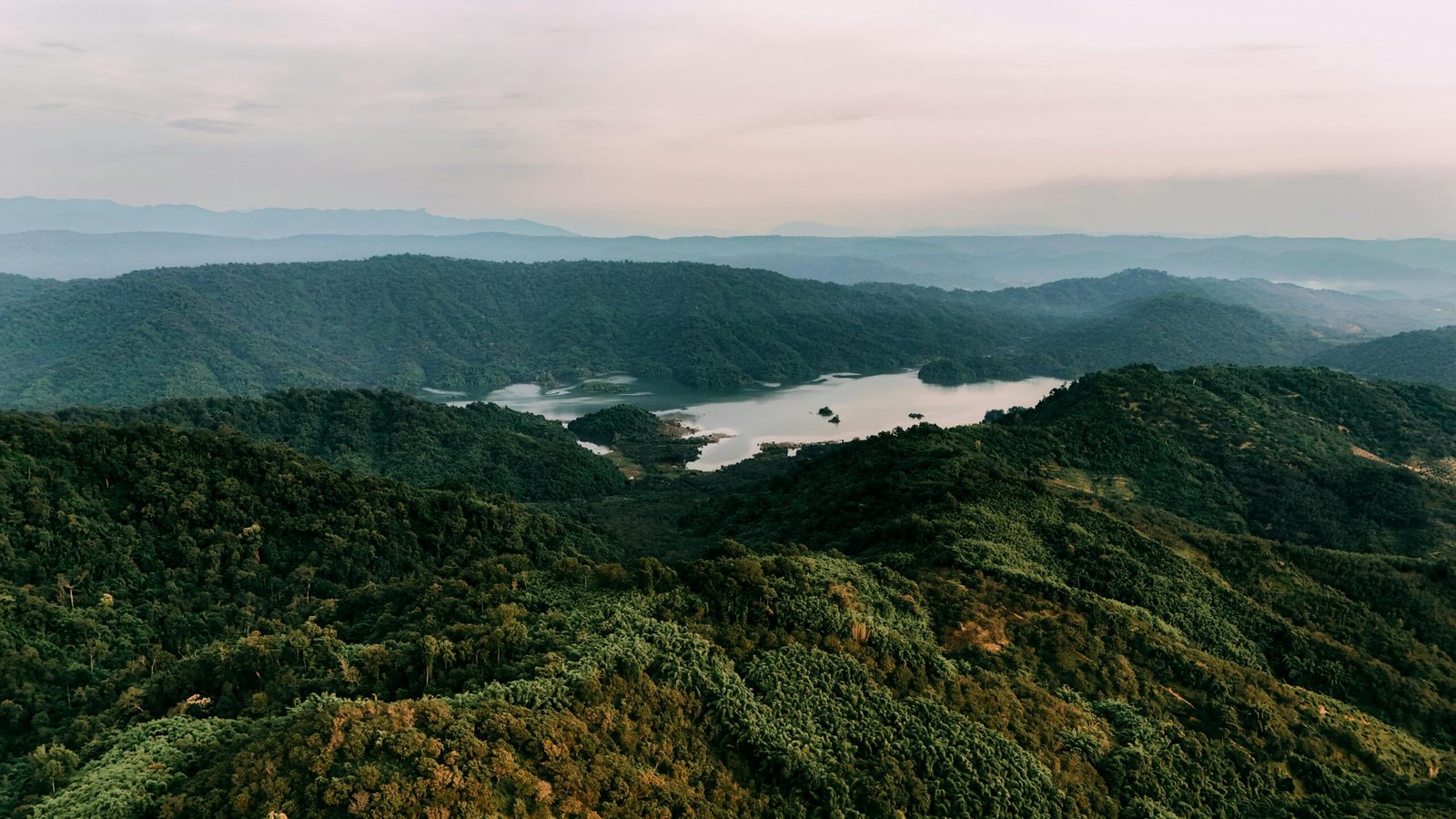
Magical Meghalaya, the “Abode of Clouds,” enchants with misty hills, lush forests, sparkling waterfalls, and living root bridges. Explore vibrant cultures, sacred caves, and crystal-clear rivers. With its breathtaking landscapes and warm hospitality, Meghalaya offers a perfect blend of adventure, serenity, and natural wonder for every traveler.
Highlights
- Visit umium lake, a majestic placid lake with its surrounding sylvan hills
- Drive to cherrapunjee, the wettest place in the world
- Visit mawlynnong – “Asia’s Cleanest Village"
- Enjoy the tour of golden sunset cruise on the brahmaputra
Itinerary
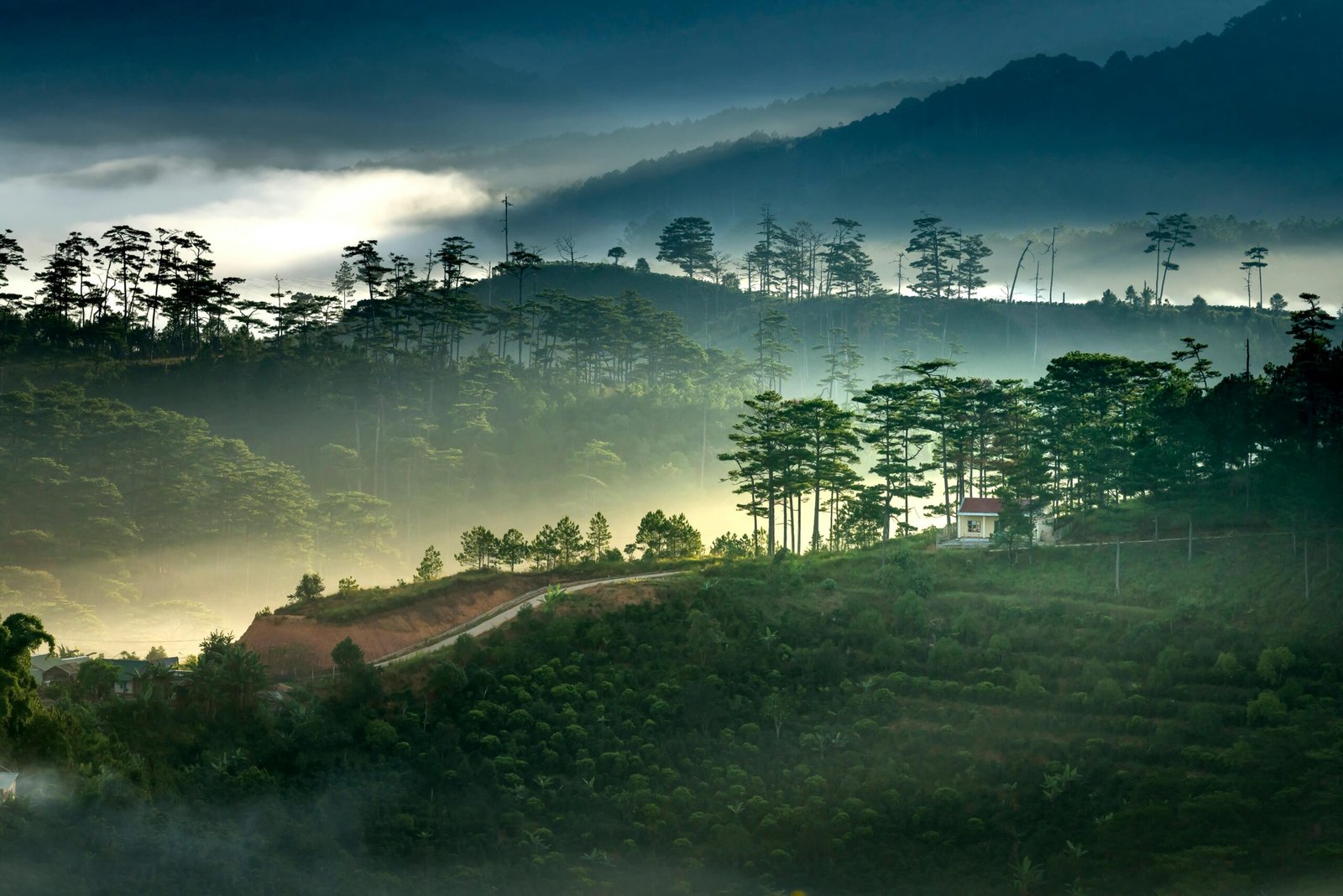
On arrival at Guwahati Airport / Railway Station & transfer to Shillong (4,900 ft.), which is called ‘Scotland of the East' (100 kms, 3 hrs). En route, visit Umium Lake, a majestic, placid lake with its surrounding sylvan hills. On arrival at Shillong, check in at your hotel. Overnight stay at Shillong.
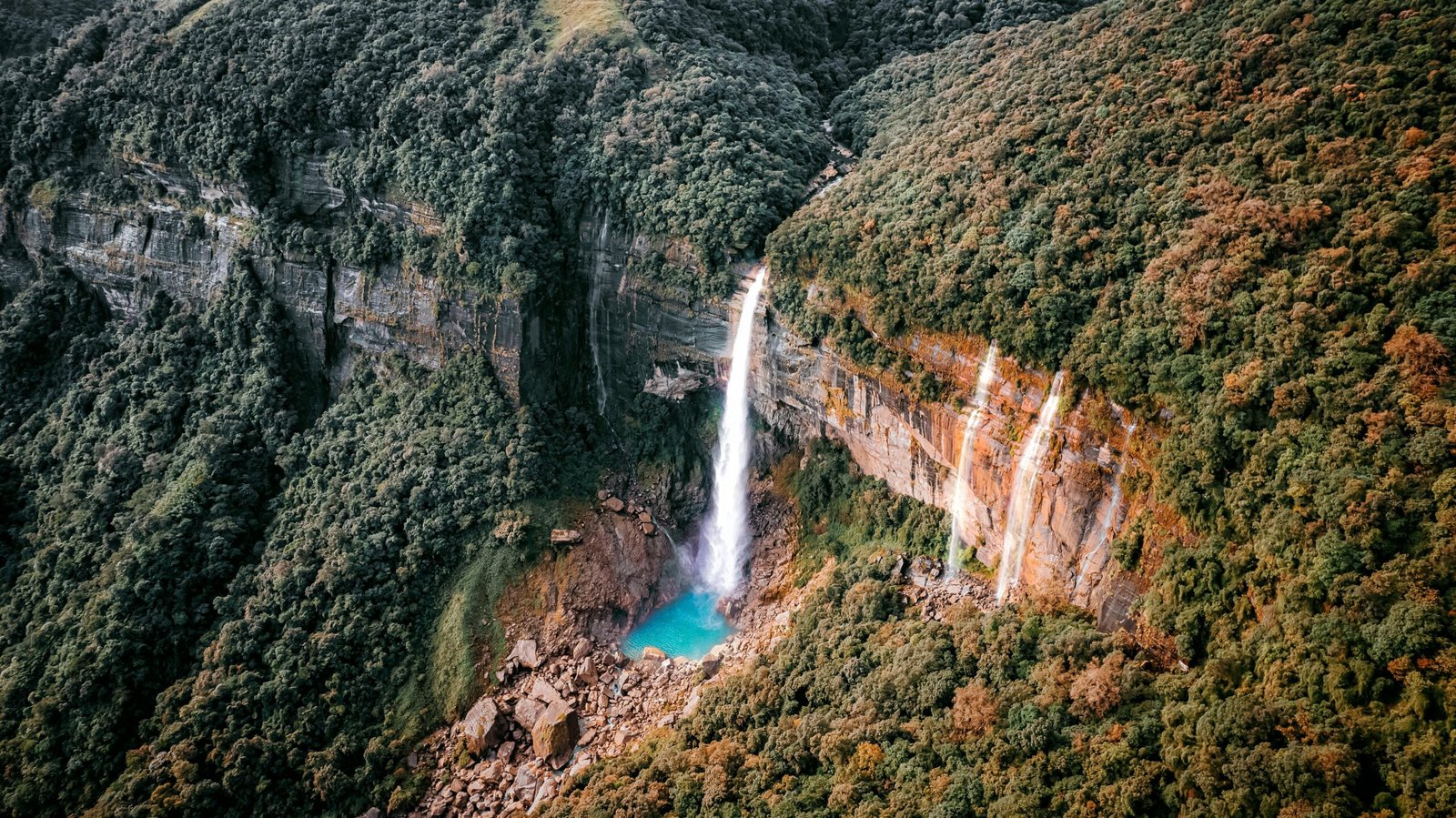
After an early breakfast, drive to Cherrapunjee (4,400 ft.), the wettest place in the world. You will see the beautiful waterfall known as Nohkalikai. You can also explore the caves known as Mawsmai. Evening return to Shillong, enroute visit Elephanta falls. Overnight stay at Shillong.
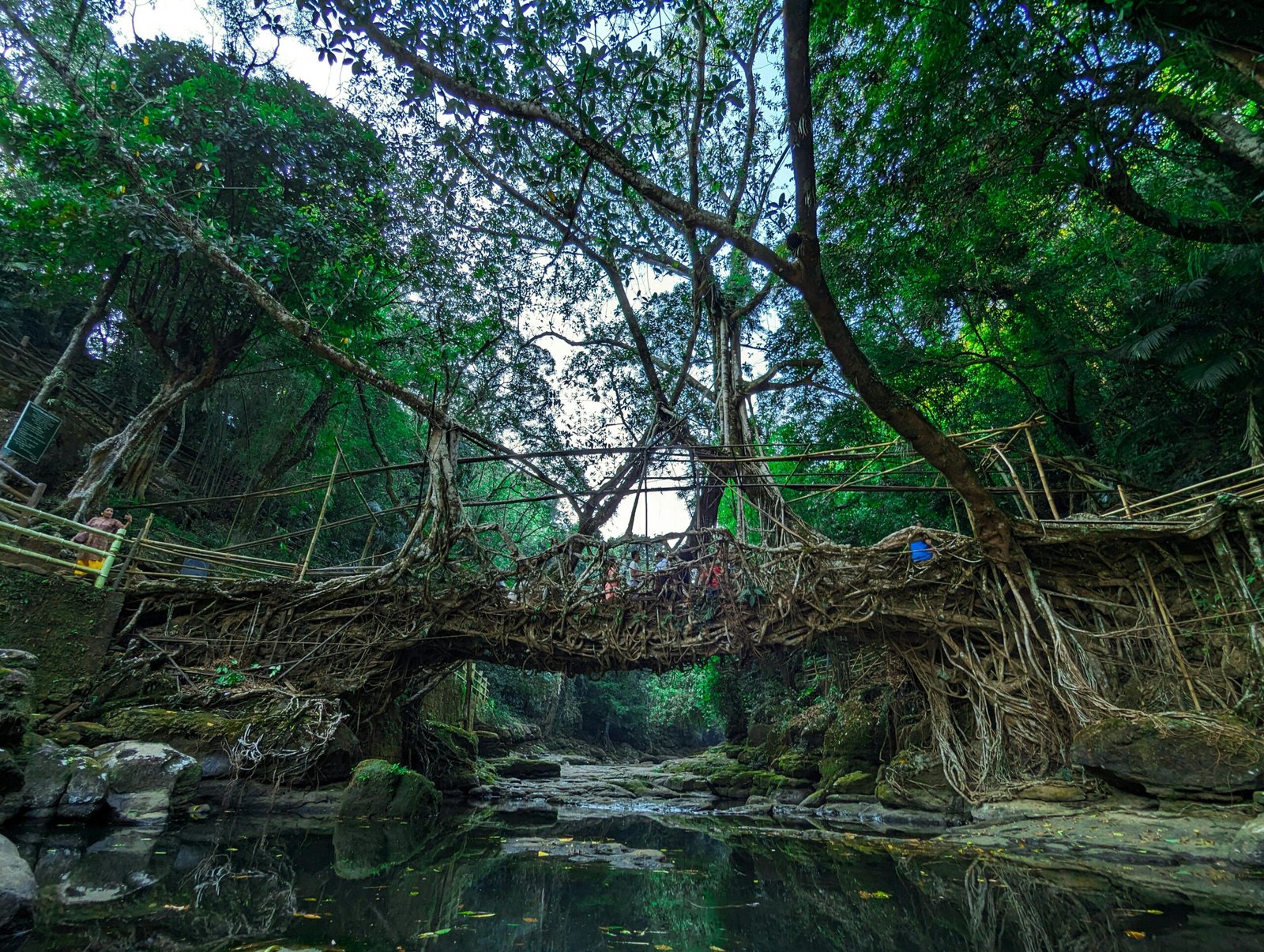
After an early breakfast, drive to Dawki, a small town near the India-Bangladesh border. Enjoy a breathtaking view of the Umangot River. Later, proceed to Mawlynnong – “Asia’s Cleanest Village”. Mawlynnong offers many interesting sights, such as the living root bridge and another strange natural phenomenon of a boulder balancing on another small rock. Evening drive back to Shillong. Stay overnight at your hotel in Shillong.
After breakfast, check out from the hotel and visit Don Bosco Museum (Sunday Closed) & Ward’s Lake. After that, drive to Guwahati. Arrive and check in at the hotel. In the evening, we suggest an optional tour of the Golden sunset cruise on the Brahmaputra (Direct Payment by own). Overnight stay at Guwahati.
After breakfast, visit Kamakhya Temple (Notes -Timing 08:00 A.M till 01:00 P.M & 3:00 P.M till it gets dark). Transfer to Guwahati Airport / Railway Station for your onward journey. Note: Temple visit will depend on your departure time. It may be done on the previous day.
Frequently Asked Questions (FAQs)
The best time depends on the destination and activities. Summer months are ideal for sightseeing and trekking, while winter is perfect for snow experiences, skiing, and enjoying scenic mountain landscapes.
Yes, many mountain destinations offer family-friendly accommodations and gentle sightseeing options. However, travelers should consider altitude, weather conditions, and health requirements before planning the trip.
It is important to stay hydrated, avoid heavy physical activity on the first day, and allow time for acclimatization. Travelers with medical conditions should consult a doctor before visiting high-altitude regions. We recommend packing warm layered clothing, comfortable walking shoes, a jacket, gloves, sunscreen, sunglasses, and personal medications. The weather in mountain regions can change quickly.
Mobile network coverage is generally available in towns and popular tourist destinations. However, signal strength may be weak or unavailable in remote valleys, trekking routes, or high-altitude regions. Many hotels and resorts offer Wi-Fi services, but internet speed and reliability may vary depending on the location and weather conditions.
Basic medical facilities and pharmacies are available in most towns. However, advanced medical services may be limited in remote areas. For serious medical emergencies, patients may need to be transported to larger hospitals in nearby cities. Travelers are strongly advised to carry their regular medications, a basic first-aid kit, and any necessary prescriptions, especially when traveling to remote or high-altitude regions.
ATM facilities are usually available in major towns and cities; however, they may be limited or unavailable in remote mountain areas. We recommend carrying sufficient cash for personal expenses during your trip. Credit and debit cards are accepted in hotels, restaurants, and shops in larger towns. In smaller villages or remote locations, cash payments are often preferred.
Emergency services such as local police, medical assistance, and rescue teams are available in most regions. Travelers should keep emergency contact numbers and inform guides or hotel staff immediately in case of any emergency.
Yes, travel insurance is strongly recommended for mountain trips to cover medical emergencies, trip cancellations, and unexpected travel disruptions.
Yes, some regions may require special permits, especially border or protected areas. Our team will assist in arranging necessary permits as part of your travel arrangements.