

Overview
A comprehensive high-altitude journey through Ladakh, designed to cover all iconic and offbeat landscapes, including Leh, Sham Valley, Nubra Valley, Pangong Lake, and the pristine Tso Moriri region. This itinerary blends adventure, culture, monasteries, cold deserts, and turquoise lakes, offering the most complete Ladakh experience for explorers and photographers.
Highlights
- Khardung La & Chang La high passes
- Nubra Valley cold desert & camel safari
- Pangong Lake multi-day experience
- Tso Moriri high-altitude lake
- Sham Valley monasteries (Alchi, Likir, Lamayuru)
- Remote Himalayan villages
- Star-gazing in high-altitude camps
Itinerary
Arrive at Leh airport and transfer to the hotel. Complete rest is recommended for acclimatization due to high altitude conditions. Avoid strenuous activity. Evening leisure walk in the local market if health permits. Overnight stay in Leh.
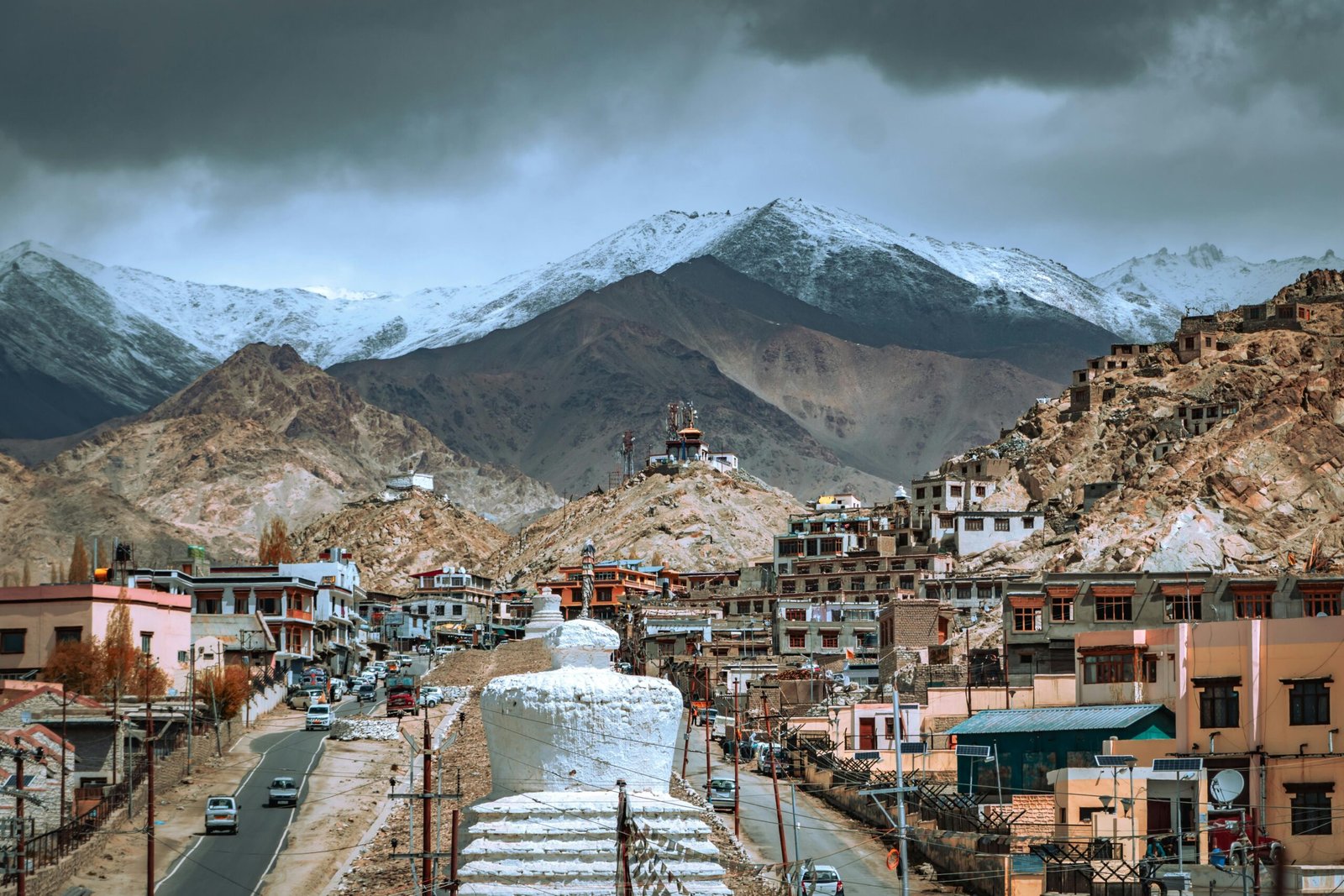
Visit Shanti Stupa, Leh Palace, and Sangam (Indus-Zanskar confluence). Explore Magnetic Hill and nearby monasteries. This day helps the body adjust gradually to thin air conditions.
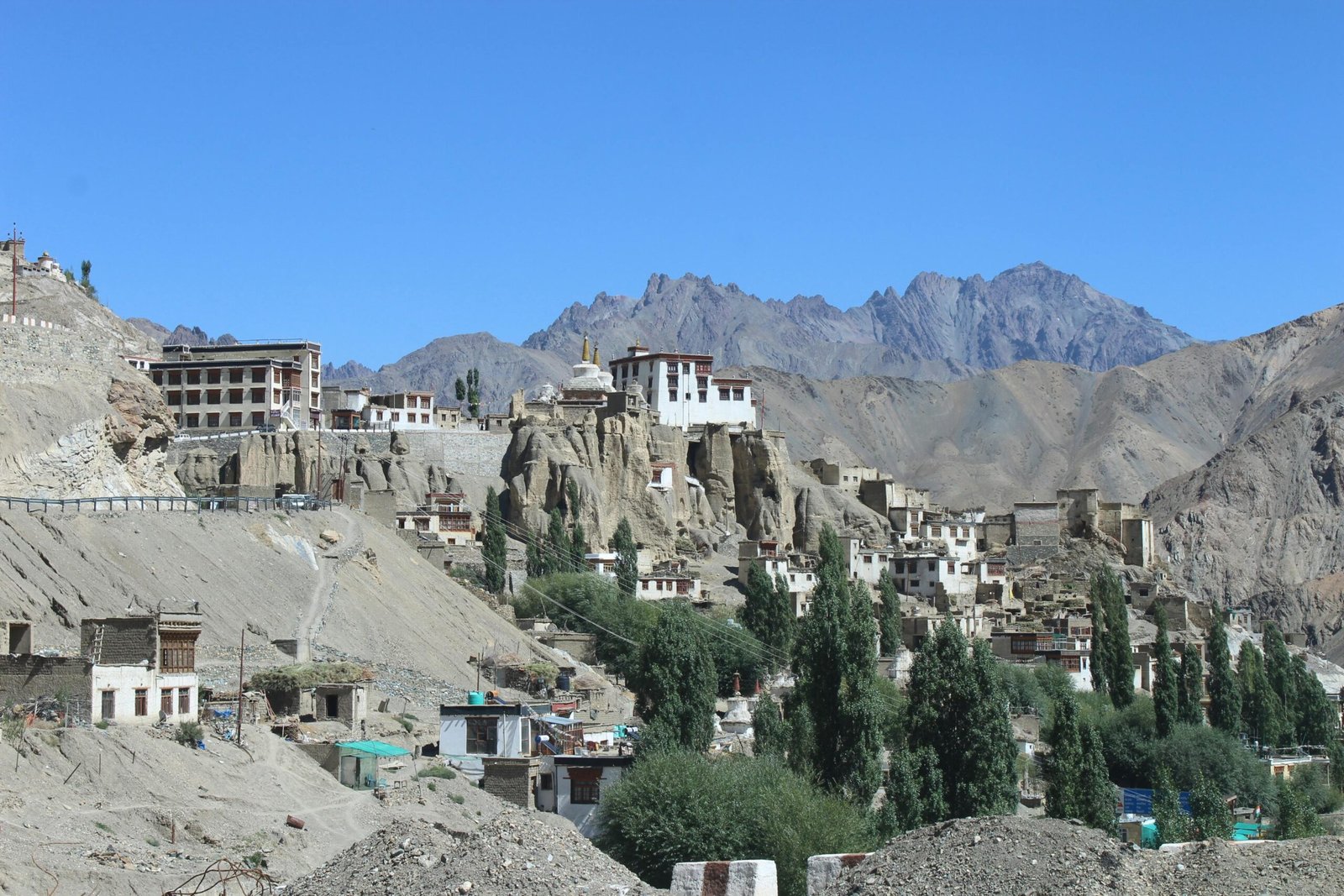
Drive along the Indus River to visit Alchi, Likir, and Lamayuru monasteries. Explore Lamayuru’s “Moonland” terrain with surreal geological formations. Return to Leh for an overnight stay.
Cross Khardung La, one of the world’s highest motorable roads. Arrive in Nubra Valley. Visit Diskit Monastery and Hunder sand dunes. Enjoy a camel safari. Overnight stay in the camp.
Explore Hundur dunes, Diskit Buddha statue, and an optional excursion to Turtuk village (border region). Enjoy slow travel through desert landscapes surrounded by snow peaks.
Drive through rugged Himalayan terrain to Pangong Lake. Witness dramatic color changes of the lake. Overnight stay in lakeside camp under star-filled skies.
Spend a full day at Pangong Lake enjoying sunrise, photography, and peaceful surroundings. Optional short hikes along the lake shoreline. Experience extreme tranquility at high altitude.
Travel to remote Hanle village, one of the clearest night sky regions in India. Visit the Indian Astronomical Observatory (subject to access). Overnight stay in a basic but scenic homestay.
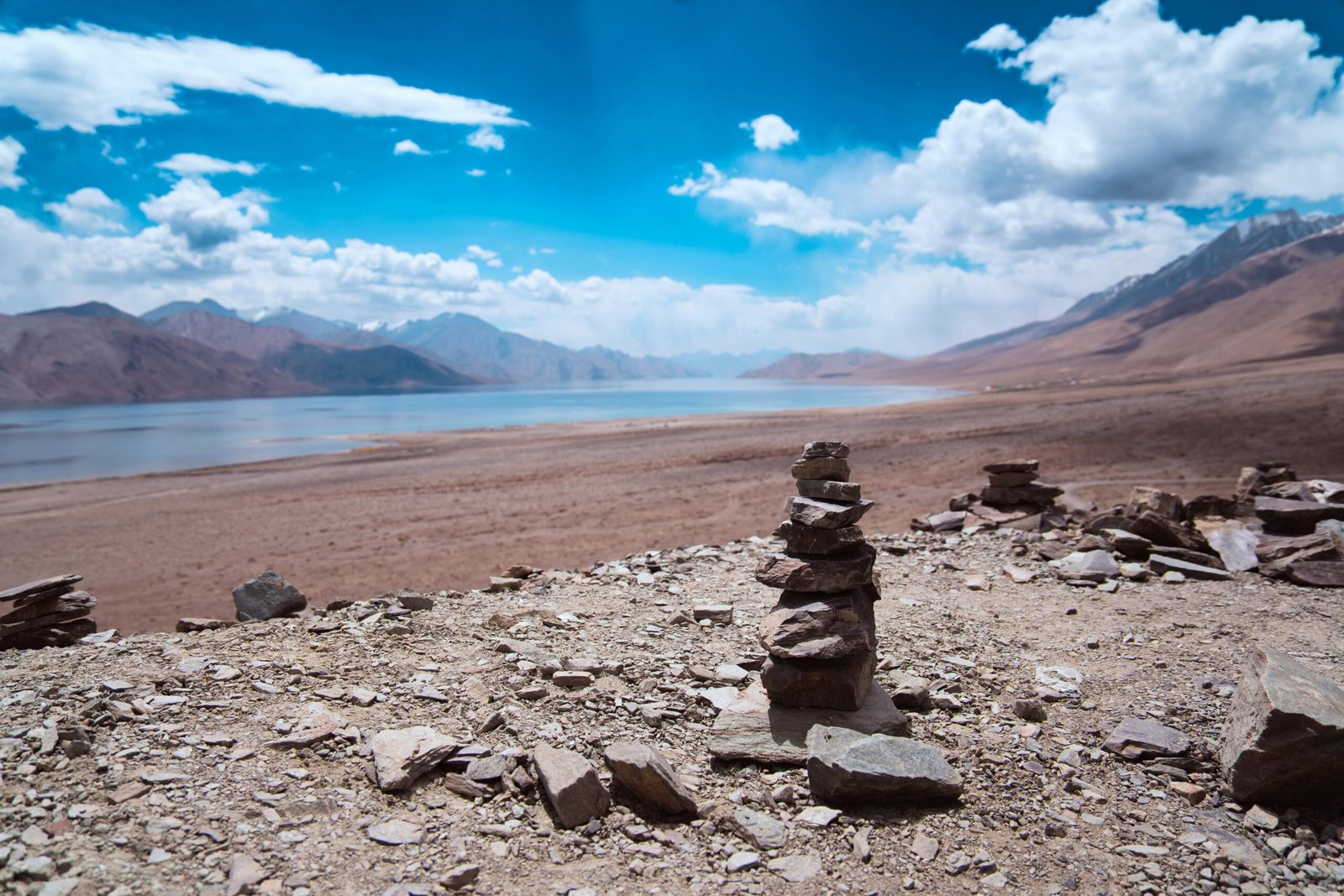
Drive to Tso Moriri, a pristine lake located in the Changthang region. Enjoy wildlife sightings like kiang (wild horses) and migratory birds. Overnight stay in a camp near the lake.
Return journey to Leh via scenic high-altitude roads. Arrive in the evening and relax. Last-minute shopping at Leh market.
After breakfast, drive back to Leh for the onward journey. Tour ends with unforgettable memories of pilgrimage and the Ladakh valleys.
Frequently Asked Questions (FAQs)
The best time depends on the destination and activities. Summer months are ideal for sightseeing and trekking, while winter is perfect for snow experiences, skiing, and enjoying scenic mountain landscapes.
Yes, many mountain destinations offer family-friendly accommodations and gentle sightseeing options. However, travelers should consider altitude, weather conditions, and health requirements before planning the trip.
It is important to stay hydrated, avoid heavy physical activity on the first day, and allow time for acclimatization. Travelers with medical conditions should consult a doctor before visiting high-altitude regions. We recommend packing warm layered clothing, comfortable walking shoes, a jacket, gloves, sunscreen, sunglasses, and personal medications. The weather in mountain regions can change quickly.
Mobile network coverage is generally available in towns and popular tourist destinations. However, signal strength may be weak or unavailable in remote valleys, trekking routes, or high-altitude regions. Many hotels and resorts offer Wi-Fi services, but internet speed and reliability may vary depending on the location and weather conditions.
Basic medical facilities and pharmacies are available in most towns. However, advanced medical services may be limited in remote areas. For serious medical emergencies, patients may need to be transported to larger hospitals in nearby cities. Travelers are strongly advised to carry their regular medications, a basic first-aid kit, and any necessary prescriptions, especially when traveling to remote or high-altitude regions.
ATM facilities are usually available in major towns and cities; however, they may be limited or unavailable in remote mountain areas. We recommend carrying sufficient cash for personal expenses during your trip. Credit and debit cards are accepted in hotels, restaurants, and shops in larger towns. In smaller villages or remote locations, cash payments are often preferred.
Emergency services such as local police, medical assistance, and rescue teams are available in most regions. Travelers should keep emergency contact numbers and inform guides or hotel staff immediately in case of any emergency.
Yes, travel insurance is strongly recommended for mountain trips to cover medical emergencies, trip cancellations, and unexpected travel disruptions.
Yes, some regions may require special permits, especially border or protected areas. Our team will assist in arranging necessary permits as part of your travel arrangements.


