By Holiday Dost | May 2026 | Destinations > India > Ladakh

There is a place in India where the sky feels closer, the silence is deafening, and every bend in the road opens up a view that no filter can improve. That place is Ladakh — and in 2026, it is not just open for business. It is reborn.
After a challenging period that saw visitor arrivals dip sharply following the 2025 regional unrest, Ladakh’s tourism sector has staged a remarkable comeback. The government, local hospitality associations, and adventure operators have joined hands to make this season one of the most well-organised, traveller-friendly, and environmentally responsible in the region’s history. If you have been on the fence about visiting the “Land of High Passes,” this is the year to go.
Here is everything you need to know for your 2026 Ladakh trip.
Table of Contents
What’s New in India’s High-Altitude Frontier Ladakh in 2026?
1. Ladakh Is Now a Year-Round Destination
Forget the old wisdom that Ladakh was only for the May–September crowd. Thanks to better road infrastructure and a deliberate rebranding push by the tourism department, Ladakh is being positioned as a year-round hub for spiritual retreats, winter treks, and high-altitude experiences. The travel window has effectively expanded, and the Manali–Leh Highway now comes with upgraded rest points and roadside assistance stations.
More direct flights are connecting Leh to Tier-2 Indian cities like Jaipur, Indore, and Ahmedabad, making Ladakh accessible to a far larger audience than ever before.
2. The Rise of “Slow Tourism”
The big shift in how travellers are approaching Ladakh this year is the move toward slow tourism — staying longer, going deeper into local communities, and spending money in ways that genuinely benefit villagers. Women-led homestay cooperatives are growing across the region, offering authentic, affordable stays where you sleep in a local home, eat traditional thukpa and skyu, and wake up to Himalayan silence.
If you have been used to a rushed 5-day package, 2026 is the year to consider a 10–14 day itinerary and actually feel the place.

The Must-Visit Destinations in 2026
Pangong Lake — Still the Icon
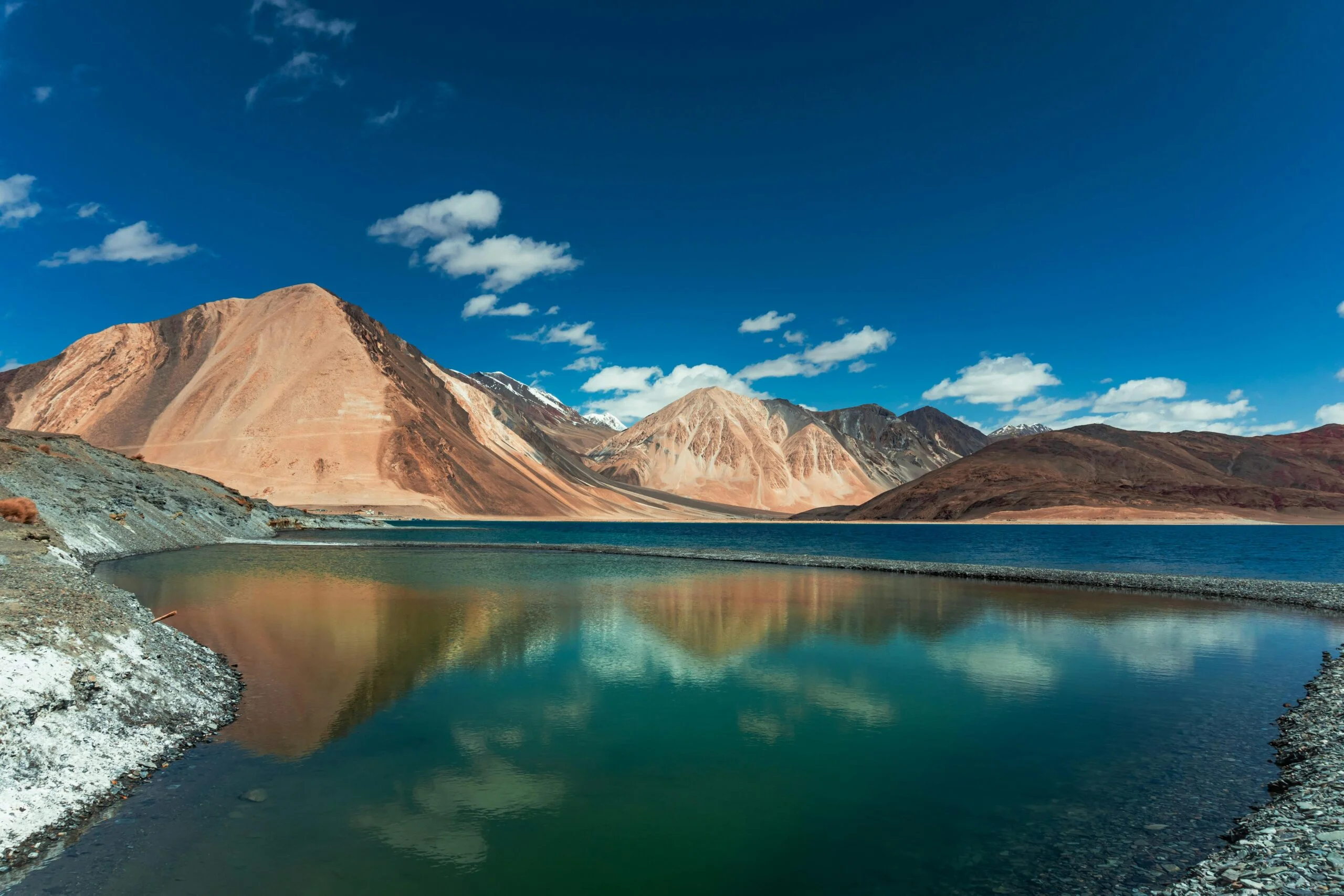
At 14,270 feet above sea level and stretching 134 km from India into China, Pangong Tso remains the undisputed centrepiece of any Ladakh trip. What makes it special in 2026? The crowds at the main viewpoint have been managed better with timed entry slots, and camping regulations near the lakeside have been tightened to preserve water quality.
Pro tip from HolidayDost: Stay a night in a luxury tent camp at the lake’s edge. Watching the water shift from cobalt to emerald to deep navy as the sun moves is a completely different experience from a day visit.


Hanle — The New Soul of Ladakh Travel
If Pangong is the Instagram capital of Ladakh, Hanle is quietly becoming its intellectual and spiritual heart. Located at over 14,000 feet in the Changthang Plateau, Hanle is home to the Indian Astronomical Observatory — one of the world’s highest — and is India’s first designated Dark Sky Reserve.
On a clear night here, the Milky Way is not just visible — it is architectural. You can see its structure, its density, the darkness between the stars. Astrotourism at Hanle is one of the hottest travel trends in India right now, and rightly so.
Important: The Hanle e-ILP (Inner Line Permit) now has a strict daily visitor cap to protect its Dark Sky status. Book your permit at least 3 weeks before your visit date.
Turtuk & Thang — Border Tourism at Its Most Evocative
Here is one for travellers who like their adventures to come with a side of history. Turtuk is a Balti Muslim village that was part of Pakistan until the 1971 war. In 2026, it has become the launchpad for India’s official border tourism initiative, where visitors can travel to Thang — the northernmost inhabited village in India — and stand at a point where you can literally look across the Line of Control.
It is one of the most strangely moving travel experiences in the subcontinent: a tiny village at the edge of India, prayer flags next to mosques, apricot orchards in a valley that feels like the end of the world.


Nubra Valley — Cold Desert, Camels & Glamping
The white sand dunes of Hunder in Nubra Valley, with their improbable population of double-humped Bactrian camels, remain one of Ladakh’s most surreal sights. For 2026, HolidayDost recommends heading to the lesser-known dunes at Sumur for the same experience without the crowds, and a sunset that feels entirely yours.
Nubra is also the epicentre of Ladakh’s luxury glamping boom. From Swiss tents with private plunge views to boutique desert camps with heated bedrooms, the options have expanded significantly this season.
Thiksey & Hemis — The Monastery Circuit
No Ladakh trip is complete without the monasteries. Thiksey Monastery, perched on a hilltop 19 km from Leh, is often compared to the Potala Palace in Tibet. Its 12-storey complex houses a 15-metre statue of Maitreya Buddha and offers a dawn prayer ceremony that is genuinely one of the most atmospheric experiences in Indian travel.
Hemis hosts the famous Hemis Festival in June–July — a masked cham dance celebration that draws monks and travellers from across the world.
Other must-visits: Lamayuru (the “moonland” monastery), Diskit (with its giant Buddha statue overlooking Nubra), and Phugtal (an ancient cave monastery accessible only on foot).

Sustainable Travel: Ladakh’s Non-Negotiables in 2026
Ladakh in 2026 operates under strict environmental guidelines, and as a responsible traveller, you are expected to comply. Here is what you need to know:
No single-use plastic water bottles — These are banned and enforced at every military and civil checkpoint. Carry a reusable bottle and refill at the official Ladakh Water refill stations now present in every major village.
Leave No Trace on all trekking routes — This is actively promoted and increasingly monitored.
Acclimatisation is not optional — At 11,500 feet in Leh, your body has access to only 60–65% of the oxygen it expects. The number one reason tourists end up in hospital in Ladakh is ignoring acclimatisation. Plan a full rest day on arrival, walk slowly, and avoid alcohol for the first 48 hours.
Respect monastery timings and dress codes — Cover your shoulders and knees, remove shoes at the entrance, and never photograph monks or prayer ceremonies without permission.
Best Time to Visit Ladakh in 2026
| Season | Months | Best For |
|---|---|---|
| Peak Summer | May – July | Biking, Pangong, full circuit travel |
| Festival Season | June – August | Hemis Festival, Ladakh Festival |
| Post-Monsoon | September – October | Clear skies, trekking, photography |
| Winter | December – February | Chadar Trek, snow leopard spotting |
Holiday Dost Pick: September is the sweet spot — the monsoon has cleared the skies, the crowds have thinned, and the light is golden and extraordinary.
Essential Permits Checklist for Ladakh Tour
- Inner Line Permit (ILP) — Required for Nubra Valley, Pangong, Tso Moriri, Hanle, Dah-Hanu. Available online at the official e-ILP portal or in person in Leh.
- Hanle Permit — Has a strict daily cap. Book 3 weeks ahead.
- Siachen Base Camp — Civilian access now permitted with advance application; requires peak physical fitness.
- Turtuk / Thang — Included in standard Protected Area Permit.
Getting There
By Air: Kushok Bakula Rimpochee Airport in Leh is connected to Delhi, Mumbai, Jammu, Srinagar, and now several Tier-2 cities. Flights book up fast — secure seats 3–4 months in advance for peak season.
By Road: The Manali–Leh Highway (NH3) and the Srinagar–Leh Highway (NH1) are both operational and significantly upgraded. The Zanskar road, previously a gruelling multi-day journey, is now far more accessible from the south.
By Road from Dubai: If you are reading this as a UAE resident, the most convenient route is a direct flight from Dubai International to Leh via Delhi (Emirates + IndiGo, or Air India). Dubai–Leh round trips typically cost AED 1,800–3,500 depending on season.
Where to Stay in Ladakh
Leh Town: The base for most travellers. Options range from budget guesthouses in the old town to boutique hotels near the Shanti Stupa.
Nubra Valley: Luxury tent camps near Hunder dunes are the highlight. Book 2–3 months in advance.
Pangong Lake: Tent camps along the south bank offer sunrise views that are genuinely once-in-a-lifetime.
Hanle: Very limited accommodation — book immediately upon securing your permit.
Holiday Dost’s Final Word
Ladakh in 2026 is a destination at a pivotal moment. It has emerged from a difficult year with stronger infrastructure, a clearer identity, and a newfound commitment to sustainable tourism that is rare in India. The government and local operators are finally working together, visitor caps are protecting the most fragile sites, and new destinations like Hanle and Thang are genuinely expanding what a Ladakh trip can mean.
Go with an open itinerary. Stay longer than you planned. Talk to the people. Eat the food. Watch the sky at night.
Ladakh will not rush you. You should return the favour.
Ready to plan your Ladakh trip? Contact HolidayDost at holidaydost.com for customised itineraries and packages.
Tags: Ladakh, Ladakh 2026, Leh Ladakh Travel Guide, Pangong Lake, Nubra Valley, Hanle Dark Sky, Border Tourism India, Sustainable Travel India, India Himalayan Tourism, Adventure Travel India
Categories: Destinations > India > Ladakh | Adventure Travel | Sustainable Tourism
© 2026 HolidayDost. All rights reserved.

