
By HolidayDost | May 2026 | Destinations > India > Sikkim
Table of Contents

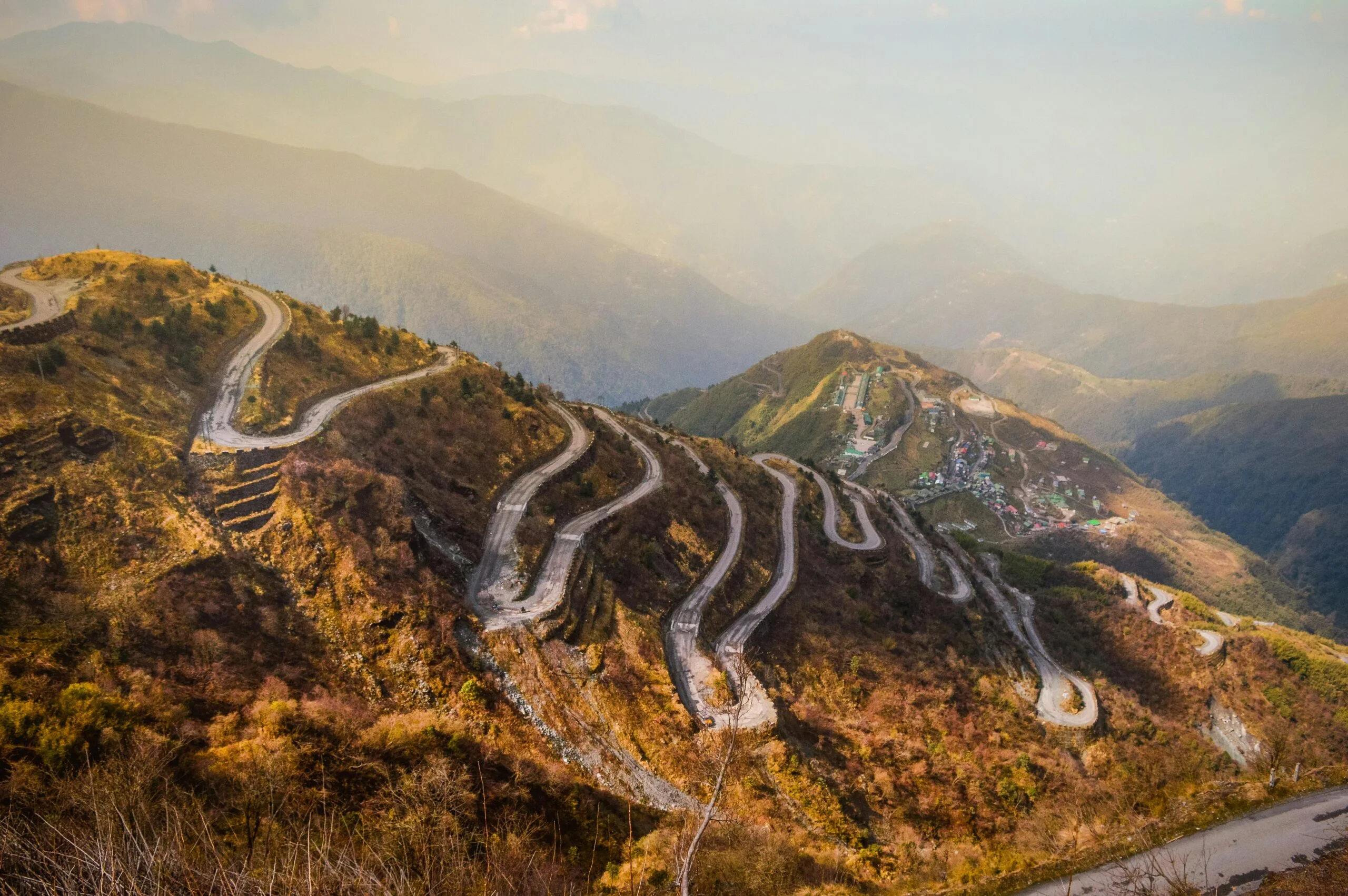
There are places in India that overwhelm you with their size. And then there is Sikkim — a state so small it fits inside many Indian districts, yet so layered in beauty, culture, and ecological wisdom that it consistently leaves travelers speechless.
In 2026, Sikkim is having a moment. It is trending on Google searches, booking platforms, and travel social media — not for one viral lake or one famous pass, but for something more meaningful: the complete, unhurried Himalayan experience. It is India’s first fully organic state, one of the cleanest destinations on the subcontinent, and is now actively opening brand-new high-altitude border destinations that no one has visited before.
If you have been meaning to go, this is the year. Here is your complete Holiday Dost guide.
Why Sikkim Is Trending Right Now in 2026
Sikkim is doing something rare in Indian tourism: growing smarter, not just bigger. Despite attracting between 17 and 18 lakh visitors annually, the state has resisted the kind of mass-tourism commercialization that has damaged hill stations elsewhere. Visitor numbers have rebounded strongly — domestic tourist arrivals hit 15.4 lakh in 2024, with foreign arrivals consistently rising year on year.
What is driving the 2026 surge?
Rhododendron season is the immediate trigger. North Sikkim’s Yumthang Valley peaks in April and early May, when over 24 species of rhododendron paint the valley in colours that seem almost digitally saturated — except they are not. Bookings spike sharply during this short window.
Eco-conscious travel is the deeper trend. Sikkim pioneered organic farming across 760 square kilometres of its agricultural land, eliminating synthetic pesticides entirely. This has made it a model for sustainable tourism in India — a destination where the food is cleaner, the rivers are clearer, and the air quality is noticeably different. A new wave of mindful travellers is actively choosing Sikkim because of these values.
New destinations are adding fresh reasons to visit, even for those who have been before. More on those shortly.

The Four Sikkims: A Region-by-Region Guide
Most travellers experience only one or two of Sikkim’s four distinct regions. Here is what each offers in 2026.
East Sikkim & Gangtok — The Gateway That Never Gets Old
Gangtok is where every Sikkim trip begins, and for good reason. At 5,500 feet, it is high enough to feel distinctly Himalayan but accessible enough to serve as a comfortable base for a week.
The MG Marg pedestrian boulevard — closed to vehicles, lined with cafés, shops, and mountain views — is the town’s beating heart. Come here in the evening for thukpa, chow mein, or a plate of fried momos from a street stall while watching the hills disappear into cloud.
A short drive from Gangtok is Tsomgo (Changu) Lake, a glacial lake at 12,313 feet that is one of the most visited spots in Sikkim. It freezes in winter and reflects the surrounding snow peaks in perfect clarity in summer. Pair this with a visit to Nathula Pass (14,140 ft) on the India–China border, for which a special permit is required but easily arranged in Gangtok.
Holiday Dost Tip: The Nathula permit is only for Indian nationals. If you are visiting from Dubai on a foreign passport, skip Nathula and visit the equally spectacular Baba Mandir instead.


North Sikkim — The Crown Jewel for 2026
North Sikkim is where Sikkim becomes genuinely other-worldly, and it is the region attracting the most attention this season.
Yumthang Valley — often called the Valley of Flowers of the East — is the headline act. At 11,800 feet, the Shingba Rhododendron Sanctuary here harbours over 24 varieties of the flower, with blooms at their peak from late February through mid-June. In summer, the valley floor turns into open meadows with the Teesta River running through it.
From Yumthang, experienced travellers push on another 25 km to Zero Point (Yumesamdong), where paved roads end and three rivers converge beneath permanent snowfields at 15,000 feet. In 2026, guided snowmobile rides have become available near Zero Point, adding an adventurous edge to the route.
But the real destination that makes North Sikkim extraordinary is Gurudongmar Lake — one of the highest lakes in the world at 17,800 feet. Sacred to both Buddhists and Sikhs, the lake remains partially unfrozen even in deep winter thanks to what locals attribute to a blessing by Guru Padmasambhava. The water is an impossible shade of cerulean blue, framed by barren brown mountains and an enormous open sky. There are very few places on earth that feel quite like this.
Important for 2026: North Sikkim requires a Protected Area Permit (PAP), which must be arranged through a registered local travel agent. It is not available online and requires a minimum group of two. Book at least two weeks in advance in peak season.
West Sikkim & Pelling — Mountains, Monasteries & New Bridges
If East and North Sikkim are about altitude and adventure, West Sikkim is about perspective — and in 2026, one perspective in particular has become unforgettable.
Pelling has emerged as one of Sikkim’s most talked-about destinations because of the views. On a clear morning, the entire Kanchenjunga massif — including the world’s third-highest peak at 28,169 feet — fills the horizon in a way that makes you stand in silence for a while before reaching for your camera. West Sikkim is a UNESCO World Heritage Site through the Khangchendzonga National Park, which alone covers nearly 35% of the state’s entire area.
Two things are new and worth noting for 2026:
The Chenrezig Statue (the largest statue in Sikkim at 137 feet) near Pelling has become a major draw, especially for spiritual travellers. The statue’s viewing deck also offers a clean sightline to the Kanchenjunga range — two icons in one frame.
The Skywalk and Glass Bridge near Pelling, inaugurated in 2023 and now operating smoothly, gives you a transparent-floor walk over a valley gorge — a dramatic experience with the Kanchenjunga as your backdrop.
The monastery circuit in West Sikkim is among the richest in the state. Pemayangtse Monastery (one of the oldest in Sikkim) and Tashiding Monastery (the most sacred in Sikkim, believed to absolve sins by a single visit) are both within striking distance of Pelling.


South Sikkim & Namchi — The Quiet Region Worth Discovering
South Sikkim remains the least explored of the four regions, which in 2026 makes it one of the most rewarding. The region is greener, warmer, and more culturally rooted than the north or west.
Namchi is the base town, home to two of Sikkim’s most remarkable structures: the Char Dham replica complex — a sprawling spiritual site replicating all four Hindu dhams on a single hilltop — and an enormous statue of Guru Padmasambhava. Both offer views across tea-covered hills that roll toward the plains of West Bengal.
For travellers interested in Sikkim’s organic identity, South Sikkim is where it is most visible — terraced organic farms, cardamom plantations, and small villages where rural tourism is genuinely community-run. The Soreng district (in West Sikkim but accessible from the south) recently won a national award for sustainable tourism at the Bengal Tourism Mart, a recognition that is drawing increasing attention to slow-travel itineraries in this part of Sikkim.
Brand New in 2026: Battlefield Tourism Opens Up
Here is the genuinely exciting news for 2026. The Sikkim government has confirmed the opening of Doka La and Chola — two high-altitude border destinations — for civilian tourism. These strategic sites, which have historical and geopolitical significance at the India-China border, are entering the tourism calendar for the first time.
This mirrors the border tourism trend seen in Ladakh (with Thang and the Siachen Base Camp) and represents a significant expansion of Sikkim’s adventure and heritage offering. The sites are expected to be accessible through designated permits with strict daily visitor caps, so early booking will be essential.
Watch the official Sikkim Tourism portal (sikkimtourism.gov.in) for updated permit information through 2026.
Adventure Sikkim: Trekking, Rafting & More
The Goecha La Trek — Sikkim’s Greatest Hike
The Goecha La Trek (16 days, 90+ km) is the undisputed king of Sikkim’s trekking options. It begins from Yuksom — the historic first capital of Sikkim, founded in 1642 — and climbs through dense rhododendron and oak forests, across glacial moraines, to a high-altitude viewpoint with a close-range view of Kanchenjunga’s southern face. Standing at Goecha La pass (15,100 ft) with that wall of ice and rock in front of you is a visceral, humbling experience.
This is not a casual trek — it requires prior high-altitude experience, physical preparation starting 2–3 months in advance, and booking a registered local guide (mandatory inside the national park). The best windows are April–May and October–November.
Other trekking options in Sikkim:
- Singalila Ridge Trek (moderate, 5–7 days) — stunning ridgeline walk with views into Nepal and Bhutan
- Dzongri Trek (7–9 days) — a shorter version of the Goecha La route, ideal for first-time high-altitude trekkers
- Varsey Rhododendron Sanctuary Trek (2–3 days) — a gentle but breathtaking walk through rhododendron forests in West Sikkim

River Rafting on the Teesta
The Teesta River, which flows through the length of Sikkim, offers some of the finest white-water rafting in northeast India. The Teesta–Rangeet confluence stretch near Melli is ideal for beginners (Grade II–III), while the stretch between Makha and Sirwani offers more serious rapids (Grade III–IV). Best season: October to December and March to May.
The Monastery Circuit
Sikkim’s Buddhist monasteries are not just tourist attractions — they are living, functioning centres of scholarship and prayer. Here are the ones worth making time for:
Rumtek Monastery (Gangtok district) is the largest in Sikkim and the seat of the Karma Kagyu school of Tibetan Buddhism. Its architecture is stunning: a golden roof, intricate murals, and a courtyard that fills with monks during prayer. Photography is permitted only in the square outside.
Pemayangtse Monastery (West Sikkim, 7th century) is one of the oldest gompa in the state. The seven-tiered wooden model of Guru Rinpoche’s paradise inside is a masterwork of religious folk art.
Tashiding Monastery is the most sacred site in all of Sikkim — visiting it is believed to wash away sins accumulated over a lifetime. The annual Bum Chu festival (in February) draws thousands of pilgrims to witness the opening of a sacred vessel of holy water.

Sustainable Travel in Sikkim: What You Need to Know
Sikkim is India’s benchmark for responsible tourism, and as a visitor you are expected to meet a certain standard:
No plastic bags — banned statewide. Carry your own reusable bag from day one.
Organic food everywhere — Sikkim’s agricultural land is entirely organic. Eat local: the momos, gundruk soup, chhurpi cheese, and buckwheat pancakes are both delicious and directly support local farmers.
Littering is treated seriously — fines are enforced, particularly in protected areas. Pack it in, pack it out on all treks.
Respect monastery protocols — no shoes inside prayer halls, no photography of monks without permission, modest dress (covered shoulders and knees) required everywhere.
Permits are real requirements, not formalities — carrying incorrect or incomplete paperwork can mean being turned back at checkpoints hours from Gangtok. Always use a registered travel agent for North and restricted-area permits.
Best Time to Visit Sikkim in 2026
| Season | Months | Why Go |
|---|---|---|
| Spring (Peak) | March – June | Rhododendron bloom, clear skies, Yumthang at best |
| Monsoon (Avoid) | July – August | Heavy rain, landslides, road closures |
| Autumn (Excellent) | September – November | Post-rain clarity, trekking season, festivals |
| Winter (Emerging) | December – February | Snow landscapes, Tsomgo frozen, winter carnival deals |
Holiday Dost Pick: October is the sweet spot — the monsoon has washed the air clean, rhododendrons are gone, but the mountain views are razor-sharp, and the Goecha La trek is at its best. September–October is also festival season: watch for Dashain, Tihar, and Losoong.
Permits Checklist for Sikkim 2026
| Permit | What It Covers | How to Get It |
|---|---|---|
| Sikkim Permit (PAP/RAP) | Entry into the state (Indian nationals free; foreigners need a Restricted Area Permit) | Apply online or at Sikkim entry points |
| Nathula Pass Permit | Border visit near Tsomgo Lake (Indian nationals only) | Through Gangtok travel agents |
| North Sikkim Permit | Lachen, Lachung, Yumthang, Gurudongmar | Through registered Gangtok agents only (min. group of 2) |
| Dzongri / Goecha La Trek Permit | Entry into Khangchendzonga National Park | Through IndiGo treks or registered agents |
| Doka La / Chola Permit | New battlefield tourism sites (2026) | Watch sikkimtourism.gov.in for updates |
Getting There
By Air: Fly into Bagdogra Airport (IXB), 130 km from Gangtok. Connected to Delhi, Kolkata, Mumbai, and other major cities. From Bagdogra, shared jeeps to Gangtok (₹250–300/person) or private taxis (₹3,000–4,000) take around 4 hours along the Teesta River valley road.
By Train: New Jalpaiguri (NJP) Junction near Siliguri is the nearest major railway station, 114 km from Gangtok. Well-connected to Delhi, Kolkata, and northeastern India.
By Road: The only road highway into Sikkim is NH10, which runs along the Teesta River. It is scenic but vulnerable to landslides, especially July–August.
Where to Stay
Gangtok: The widest range — budget guesthouses near MG Marg to boutique hotels with Kanchenjunga views. Book well ahead for April–June.
Lachung / Lachen (North Sikkim): Basic but cosy guesthouses; accommodation is bundled into most North Sikkim packages through local agents.
Pelling: Growing fast, with multiple mid-range properties that front the Kanchenjunga range. Some rooms have floor-to-ceiling windows for the view — worth the upgrade.
Yuksom: Small, quiet, perfect for trekking basecamp stays. Homestays here are run by families who have been welcoming trekkers for decades.
Namchi / South Sikkim: Very few tourists, which means more authentic homestays and lower prices. Excellent if you want to slow down and actually live in Sikkim for a while.
Holiday Dost’s Final Word
Sikkim in 2026 is everything that Indian hill tourism should be and rarely is. It is clean without being sterile, spiritual without being inaccessible, adventurous without being reckless, and small enough that you can actually get to know it in a single trip.
The new battlefield tourism destinations at Doka La and Chola add another layer to an already remarkably layered destination. The rhododendron season is peaking right now. The organic food is genuinely good. The people are warm in the specific way that only small-state mountain communities tend to be.
Go in spring for the colour. Go in autumn for the clarity. Go in winter if you want Sikkim entirely to yourself.
However you go — go soon.
Ready to plan your Sikkim adventure? Visit Holidaydost.com for tailored itineraries and current packages.
Tags: Sikkim tourism 2026, Sikkim travel guide, North Sikkim, Yumthang Valley, Gurudongmar Lake, Goecha La trek, Pelling Kanchenjunga, Rumtek Monastery, Sikkim sustainable tourism, Gangtok travel, Sikkim permit guide, Sikkim adventure travel
Categories: Destinations > India > Sikkim | Eco & Sustainable Travel | Adventure Travel | Himalayan Travel
© 2026 HolidayDost. All rights reserved.


