holidaydost.com / Southeast Asia / Vietnam
🔥 Trending 2026
Table of Contents
Vietnam has crossed a threshold. In 2026, it is no longer merely “recovering” from the pandemic years — it is redefining what modern, meaningful travel in Southeast Asia looks like. After welcoming a record 21.2 million international visitors in 2025, the country has stormed into 2026 with even greater momentum, posting its highest-ever first quarter with nearly 6.8 million arrivals between January and March alone. Total tourism revenue in 2025 reached approximately USD 39 billion — a 27% jump compared to 2019. The numbers are staggering, but the real story is what’s driving them.
Vietnam’s rise isn’t accidental. The government has invested heavily in infrastructure, expanded its electronic visa program to cover most nationalities for stays of up to 90 days, and added dozens of new border entry points by air, land, and sea. These reforms have dramatically reduced friction for international travellers, encouraging longer stays and higher-value trips. The Vietnamese đồng’s stability has kept accommodation, dining, and local transport affordable for every kind of traveller — from budget backpackers to luxury seekers to digital nomads. Add world-class cuisine, millennia of layered history, and some of the most dramatic natural scenery on earth, and the appeal becomes self-evident.
The source-market story in 2026 is equally fascinating. China and South Korea continue to dominate arrivals, together accounting for nearly half of all international visitors. But the striking headline is how diverse Vietnam’s visitor base has become. India recorded an extraordinary 69% growth in arrivals over 2025–2026, while Japan grew by around 38%. Europe — led by Germany, France, and Italy — is also surging, drawn by Vietnam’s rich cultural heritage and affordable luxury. South America is making waves too, with Brazil and Argentina emerging as new long-haul markets helped by expanding aviation connections. Vietnam is no longer a regional hit. It has become a genuinely global destination.
Hanoi — The Capital Reimagined
Vietnam’s capital is shattering visitor records in 2026. Tourism revenue in Hanoi hit the equivalent of approximately USD 1.92 billion in just the first four months of the year. Beyond the iconic Hoan Kiem Lake and the Old Quarter’s French colonial facades — where motorbikes weave past century-old shophouses and the smell of phở drifts from every doorway — the city has launched bold new “Green Journey” tourism routes. These connect heritage sites in the city centre to suburban cultural communities like Bà Vì District, where traditional knowledge from the Dao Quần Chẹt ethnic group is being woven into genuine wellness and educational tourism experiences. There are fresh reasons to explore Hanoi beyond the usual checklist.


Đà Nẵng — Vietnam’s Experience Capital
Once a beach stopover between Hanoi and Hội An, Đà Nẵng is now positioning itself as a world-class destination in its own right. Premium and business-class seat capacity to the city grew by 22% in 2026, signalling a shift from mass tourism to selective, high-value travel. Visitors come for the golden sweep of Mỹ Khê beach, the surreal architecture of the Golden Bridge held aloft by giant stone hands, world-class golf, and quick access to the UNESCO-listed ancient town of Hội An. As one industry report puts it, Đà Nẵng is no longer just a place to visit — it is a place to feel, to experience, and to return to.
Hội An — The Town That Time Forgot (in the Best Way)
No discussion of Vietnam is complete without Hội An. The lantern-strung alleyways of this ancient trading port are among the most photographed streets in all of Asia, and for good reason. Every evening, hundreds of silk lanterns glow above centuries-old merchant houses, casting golden light over the Thu Bồn River. Tailors craft made-to-measure outfits overnight. Cooking classes fill every morning. Boat rides to nearby islands occupy lazy afternoons. Hội An moves at its own gentle pace, and travellers almost always stay longer than planned.


Đà Lạt — Vietnam’s Wellness Escape
The “City of Eternal Spring” has become the go-to destination for wellness tourism in 2026. Sitting at 1,500 metres above sea level, Đà Lạt’s cool climate, pine forests, waterfall hikes, and flower valleys make it the perfect backdrop for yoga retreats, meditation getaways, cycling routes, and farm-to-table dining. Global research shows that two-thirds of travellers under 35 now prioritise active, restorative holidays — and Đà Lạt delivers exactly that. It is drawing a growing community of travellers who want their holiday to heal them, not just entertain them.
Phú Quốc — The Island That Has It All
Vietnam’s largest island is a credible rival to Phuket — at a fraction of the cost. Pristine coral reefs, white-sand beaches, a world-famous cable car stretching over open sea, and a rapidly expanding resort infrastructure have turned Phú Quốc into one of Southeast Asia’s most desirable island escapes. It is consistently the top domestic destination for Vietnamese travellers during holiday periods, and international arrivals are climbing fast. If you’re craving a beach holiday that feels genuinely undiscovered, Phú Quốc still has pockets of paradise waiting for you.

Recovery in terms of arrivals is only the first step. A true breakthrough comes when visitors choose to return again because they value the depth and authenticity of their experience.— Tourism analyst Lê Minh Trí
The Shift to Meaningful, Sustainable Travel
Vietnam’s tourism authorities have made a bold declaration for 2026: growth will not be pursued “at all costs.” The strategy is pivoting from sheer visitor volume toward quality, sustainability, and repeat visitation. Targets are ambitious — 25 million international visitors and 150 million domestic trips — but the equal emphasis is on extending stays and boosting spending per visitor. Vietnam is also tapping into the global “anti-tourism” trend, as travellers increasingly seek quieter, more authentic destinations over overcrowded hotspots. Places like Hà Giang in the far north, with its breathtaking mountain passes and vibrant minority cultures, or the vast cave systems of Phong Nha–Kẻ Bàng National Park — home to the world’s largest cave, Sơn Đoòng — are quietly having their moment.
When to Go
Vietnam is a long, narrow country, so the best time to visit depends on your destination. Northern Vietnam, including Hanoi and Hạ Long Bay, is best from October to April when skies are clear and temperatures are comfortable. Central Vietnam — Đà Nẵng, Hội An, and Huế — is at its finest from February to August. The south, covering Hồ Chí Minh City, Phú Quốc, and the Mekong Delta, is most enjoyable from December to April during the dry season. For those wanting to avoid the biggest crowds, the shoulder months of May to June and September to October offer better deals and more breathing room at popular sites.
The Verdict
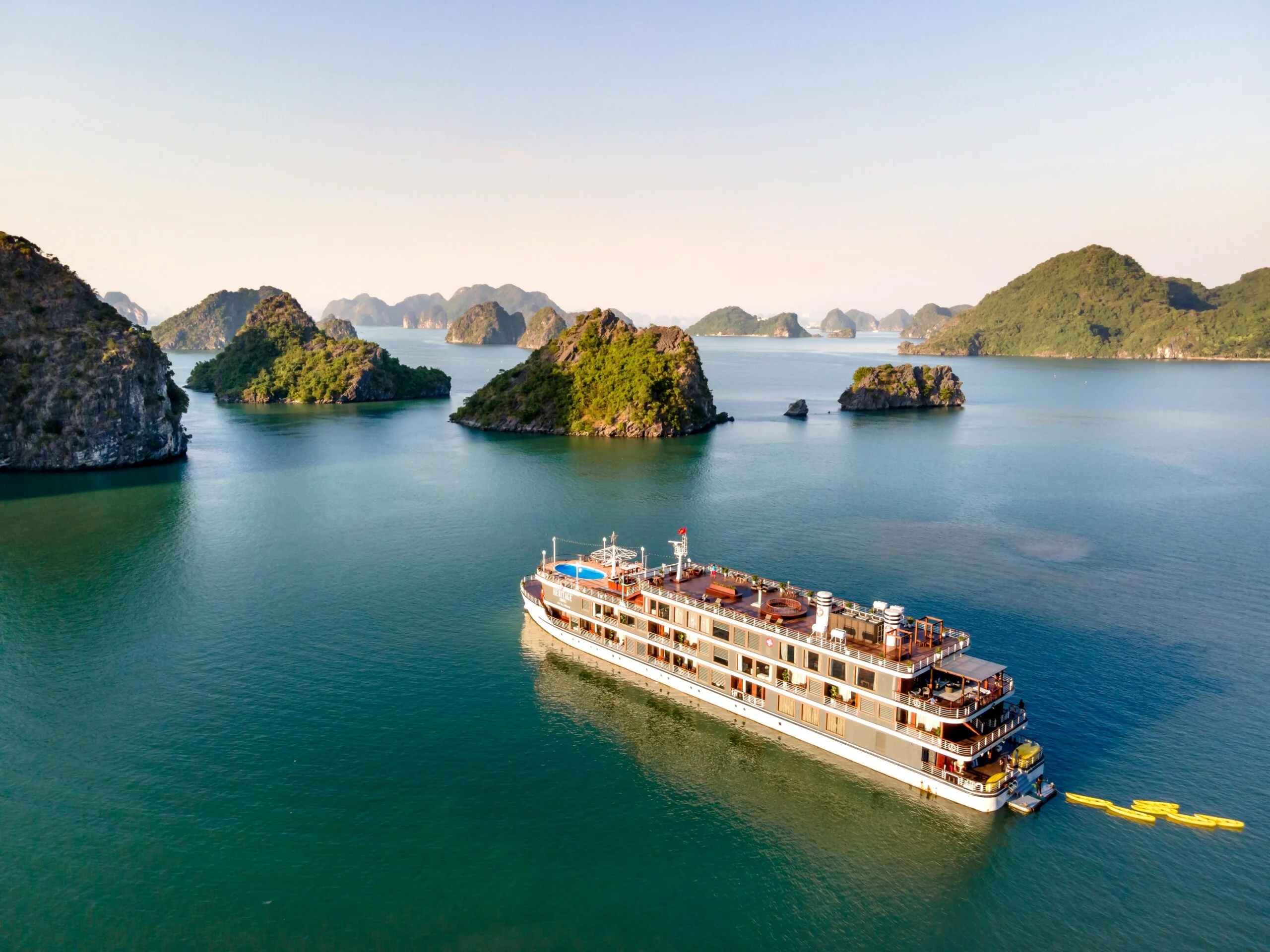
Vietnam in 2026 is a destination in its prime — confident in its identity, ambitious in its vision, and overflowing with experiences that reward every kind of traveller. Whether you’re chasing culinary adventures through the street food markets of Hồ Chí Minh City, seeking stillness in a Đà Lạt yoga retreat, marvelling at the otherworldly karst seascape of Hạ Long Bay, or pedalling through the golden rice terraces of Mù Cang Chải at harvest time — Vietnam delivers. The world has noticed, and record numbers are booking. The only question left is: when are you going?
✈️ HolidayDost Travel Tip
Vietnam's e-visa is now available to citizens of most countries, with stays of up to 90 days. Apply at evisa.xuatnhapcanh.gov.vn at least a week before travel. Always check the latest visa requirements based on your nationality before booking.
#Vietnam2026 #SoutheastAsia #HoiAn#Hanoi #HaLongBay #DaNang #DaLat #PhuQuoc #WellnessTravel #GreenTravel #HolidayDost

